
What is BlueCheck and How it Helps Clinicians Enhance Patient Care
For Dental Professionals
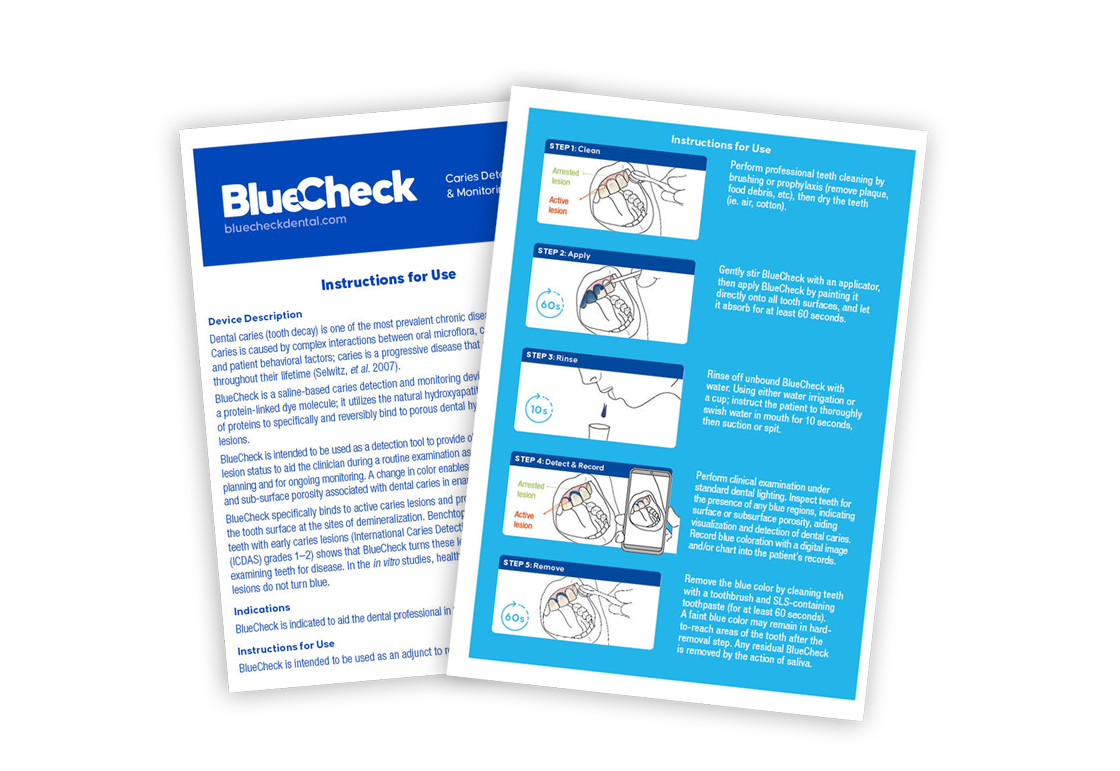
Chairside guide
BlueCheck Guide for use chairside
BlueCheck Instructions for Use, IFU-B11040 REV: V3, 05/2023.
Lippert F, et al. J Dent. 2023 Aug;135:104601.
Kukreti P, et al. AADOCR. March 2025.
Instructions for use
BlueCheck is FDA Cleared, Instructions for use
BlueCheck Instructions for Use, IFU-B11040 REV: V3, 05/2023. 001865.
Selwitz RH et al. (2007) Dental Caries. The Lancet 369: 51-59.

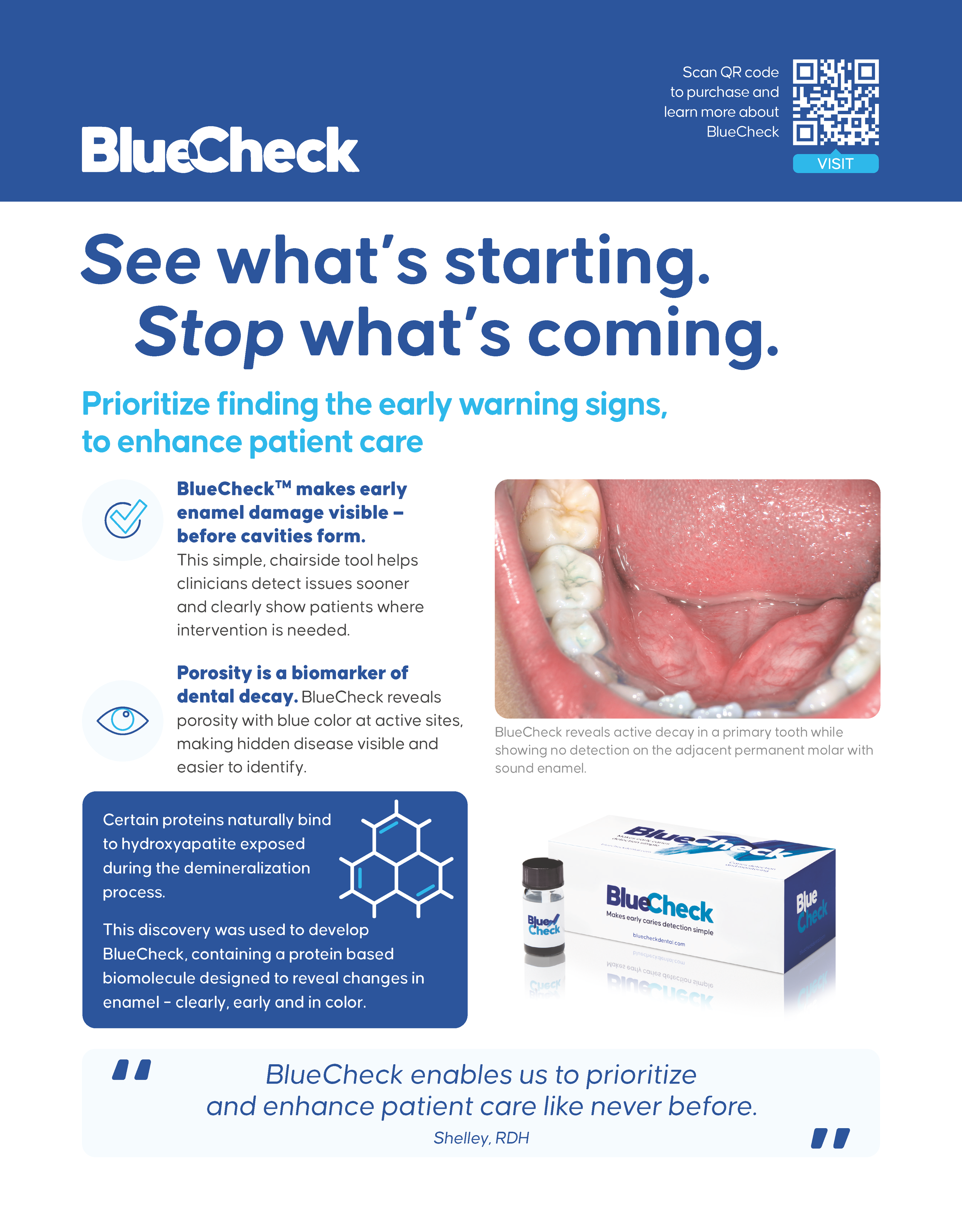
Brochure
Prioritize finding the early warning signs with BlueCheck to enhance patient care
BlueCheck Instructions for Use, IFU-B11040 REV: V3, 05/2023.
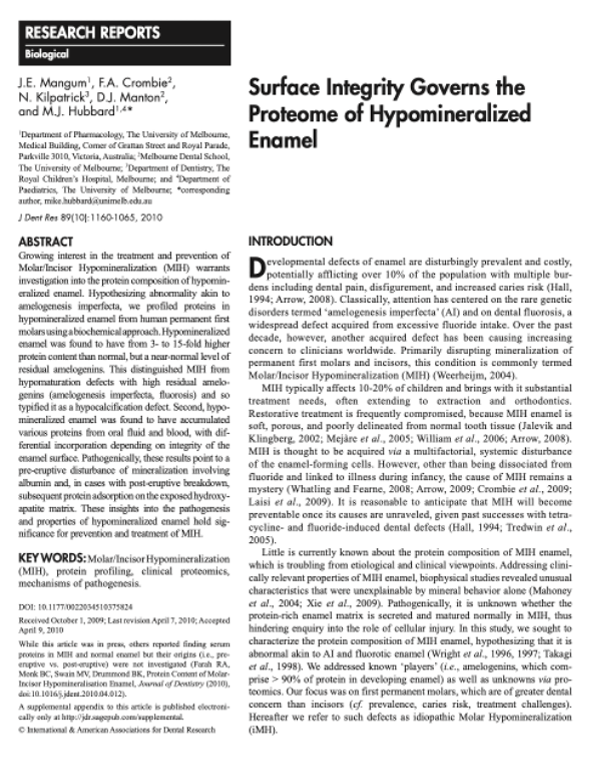
Mangum J, et al. J Dent Res. 2010;89(10):1160-1165.
Jablonski-Momeni A, et al. Caries Res. 2022;56(5-6):555-565.
Lippert F, et al. J Dent. 2023 Aug;135:104601.
Mangum J, et al. IADR. March 2024.
Kukreti P, et al. AADOCR. March 2025.
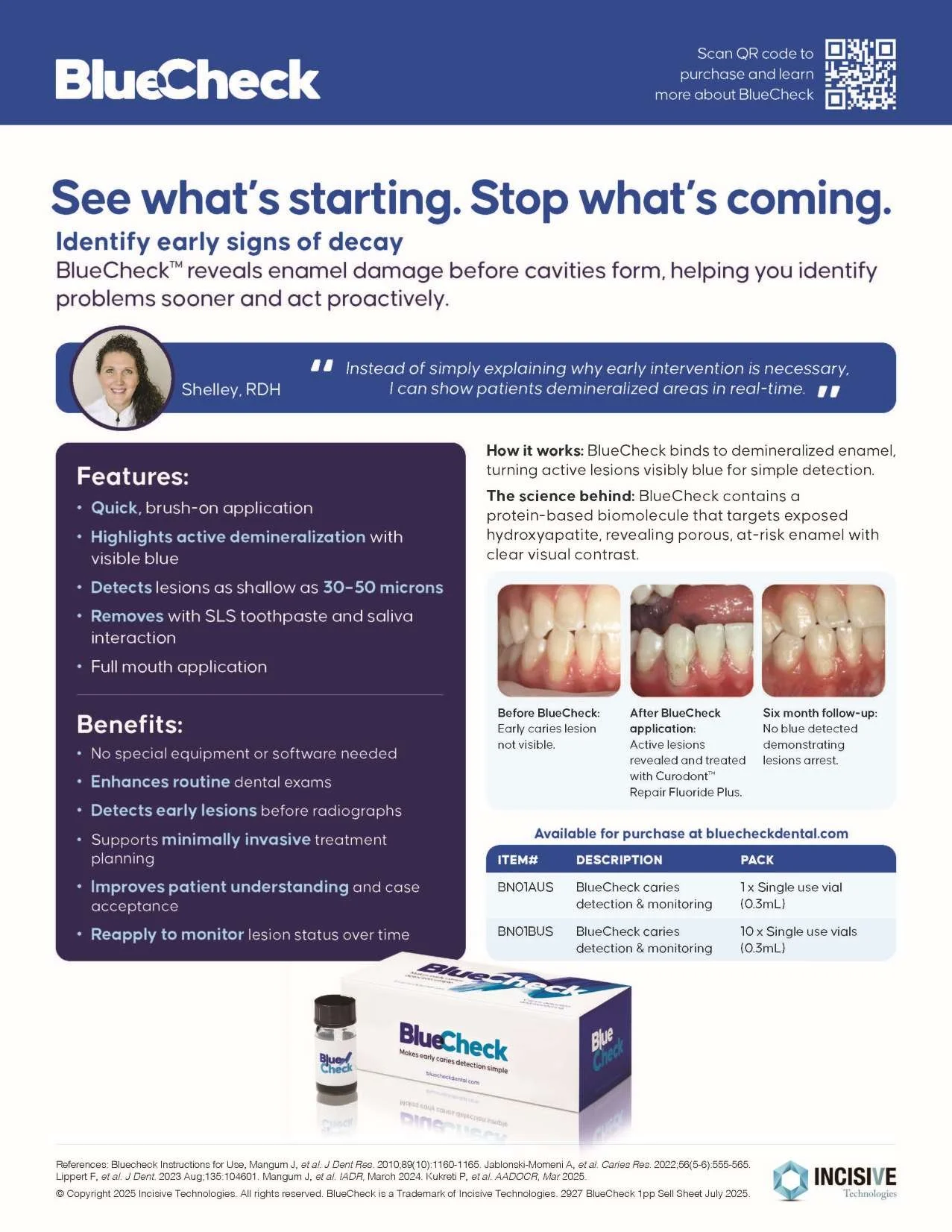
Features and benefits sheet
BlueCheck reveals enamel damage before cavities form, helping you identify problems sooner and act proactively
BlueCheck Instructions for Use, IFU-B11040 REV: V3, 05/2023. 001865.
Mangum J, et al. J Dent Res. 2010;89(10):1160-1165.
Jablonski-Momeni A, et al. Caries Res. 2022;56(5-6):555-565.
Lippert F, et al. J Dent. 2023 Aug;135:104601.
Mangum J, et al. IADR. March 2024.
Kukreti P, et al. AADOCR. March 2025.
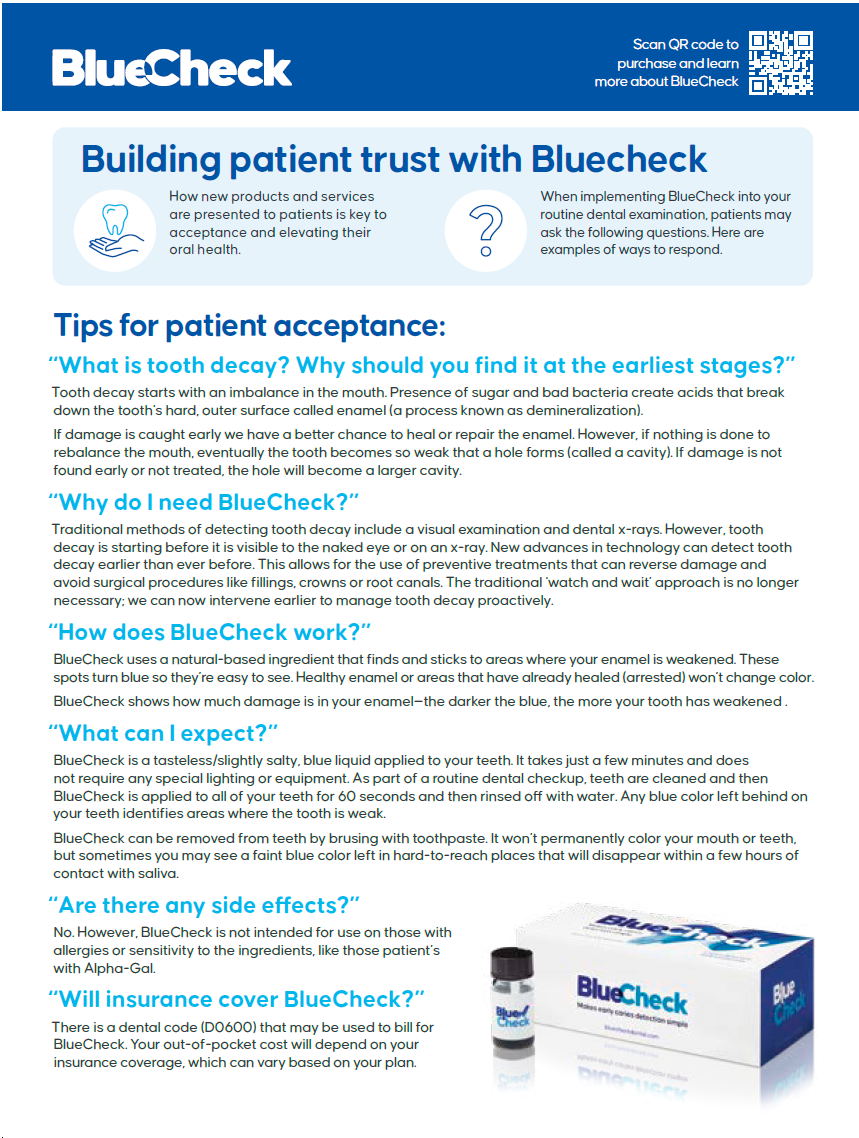
Patient acceptance tips sheet
Building patient trust with BlueCheck, tips for patient acceptance
BlueCheck Instructions for Use, IFU-B11040 REV: V3, 05/2023. 001865.
Jablonski-Momeni A, et al. Caries Res. 2022;56(5-6):555-565.
Lippert F, et al. J Dent. 2023 Aug;135:104601.
Mangum J, et al. IADR. March 2024.
Pediatric patient flyer explaining the benefits of BlueCheck
Supporting pediatric patient conversations, a flyer to explain BlueCheck and the role it can play in making it simple to find the early warning signs of tooth decay to support prevention and enhance their oral healthcare
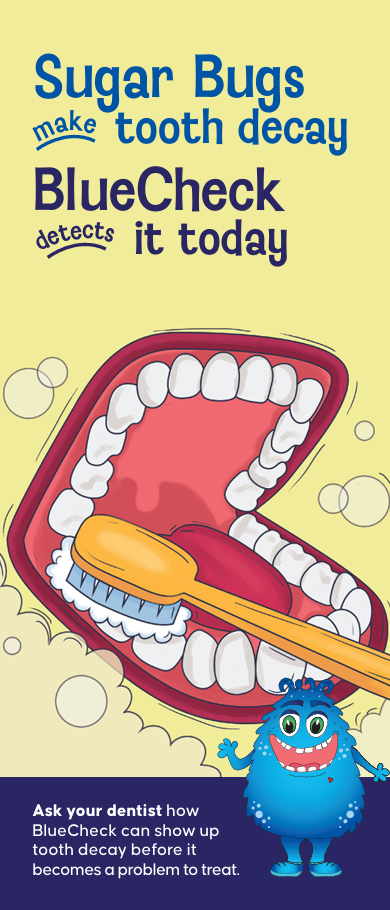
Featuring BlueCheck

Incipient enamel caries: Etiology, detection, and treatment
Here's an in-depth explanation of incipient enamel caries, its etiology, detection, and various products to assist with detection and treatment.
Nathaniel Lawson, DDS PhD, Silvia Rojas-Rueda, DDS. Dental Economics, May 2025
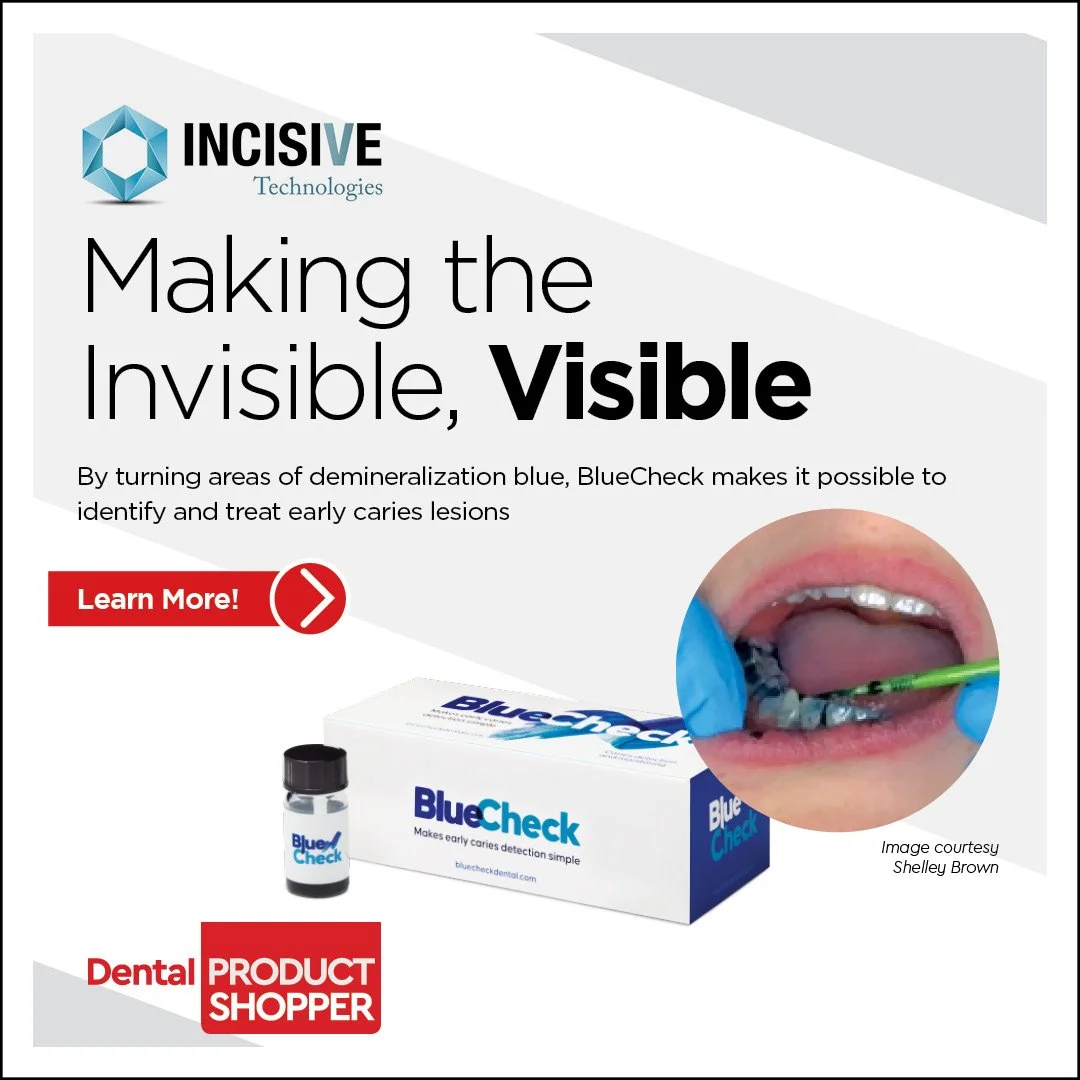
Dental Product Shopper: Making the Invisible, Visible
Seeing really is believing. No dentist wants to feel like a salesperson when discussing treatment. That’s why any tool that helps “show” rather than “tell” patients about their oral health is a valuable addition to the operatory.
Shelley Brown, MEd, BSDH, RDH. DPS, April 2025
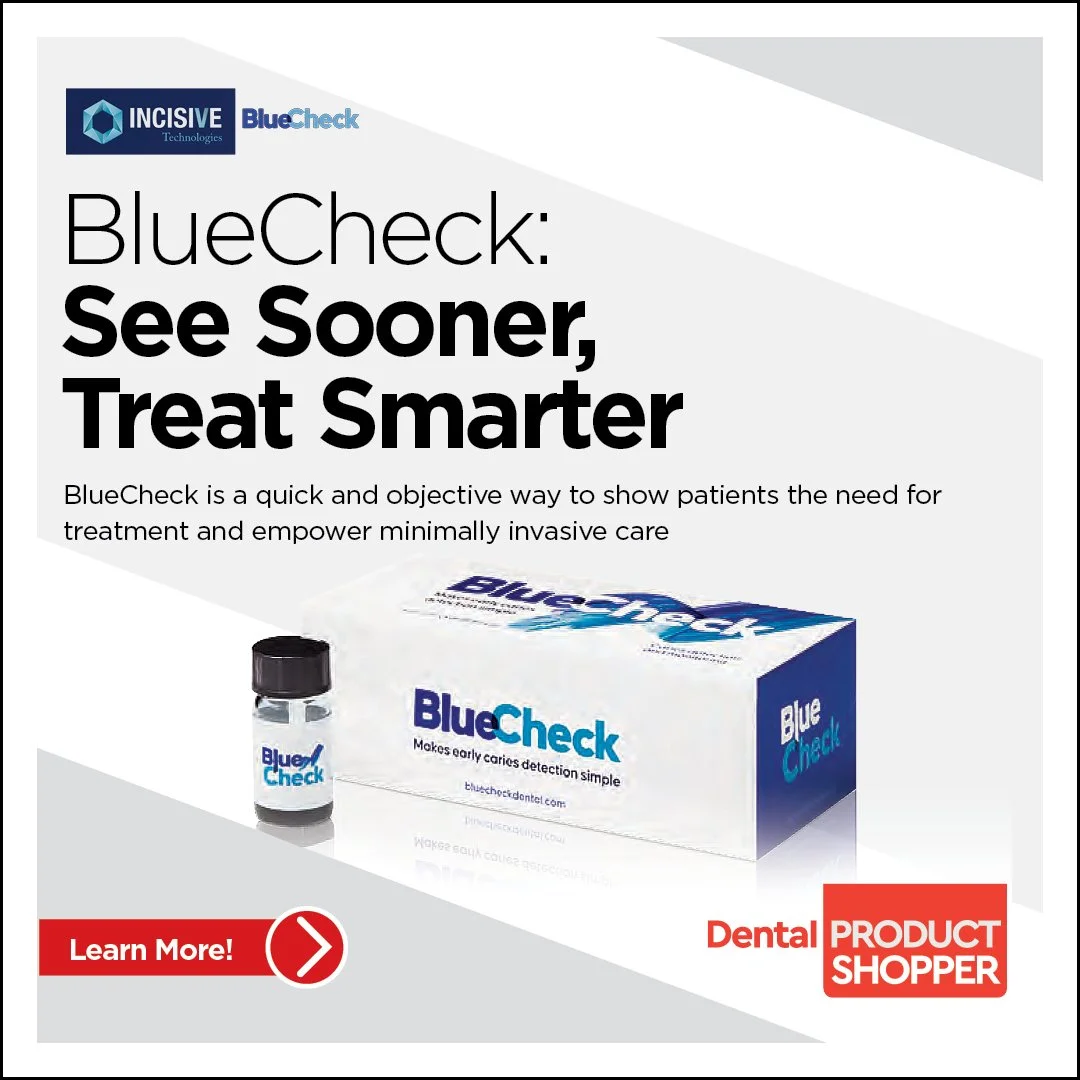
Dental Product Shopper: BlueCheck see sooner, treat smarter
Seeing really is believing. No dentist wants to feel like a salesperson when discussing treatment. That’s why any tool that helps “show” rather than “tell” patients about their oral health is a valuable addition to the operatory.
DPS, July 2025
ADHA CE Webinar Brush on breakthroughs: Revolutionize Caries Care Through Hygienist-Driven Protocols
Explore the latest advancements in paint-on technologies that are transforming the landscape of minimally invasive dentistry. These innovative solutions for preventing, detecting, and managing dental caries, provide alternatives to traditional restorative methods. Watch now
Speakers: Hayley Buckner, RDH, BS, FADHA and Jessica L. Woods, MPH, RDH, FADHA
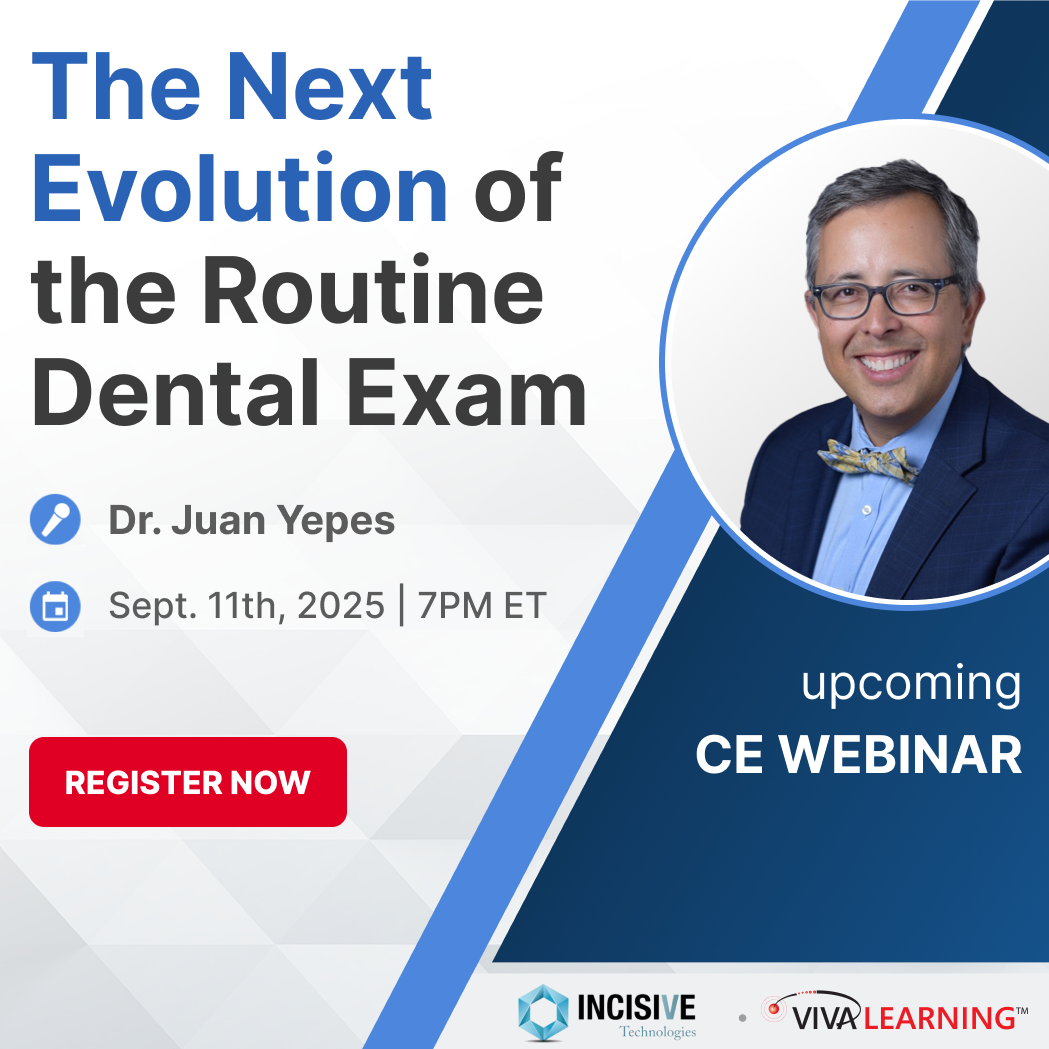
Viva Learning Webinar The Next Evolution of the Routine Dental Exam
Explore how cutting-edge technologies are transforming the traditional dental exam into a modern, patient-centered experience. This CE webinar will introduce innovative tools that enhance caries detection, support early intervention, and streamline preventive care. Watch now
Presenter: Dr. Juan Yepes, DDS, MD, MPH, MS, DrPH. Live recording September 25, 2025.

Viva Learning Webinar You Can’t Address What You Don’t Assess
Early detection changes everything. When clinicians and patients see areas of concern together, they can move from uncertainty to understanding -transforming diagnosis into collaboration. This one-hour CE webinar explores how enhanced detection tools elevate preventive care, improve patient trust, and support more confident treatment recommendations. Watch now
Presenter: Amanda Hill, RDH. Live recording October 15, 2025.
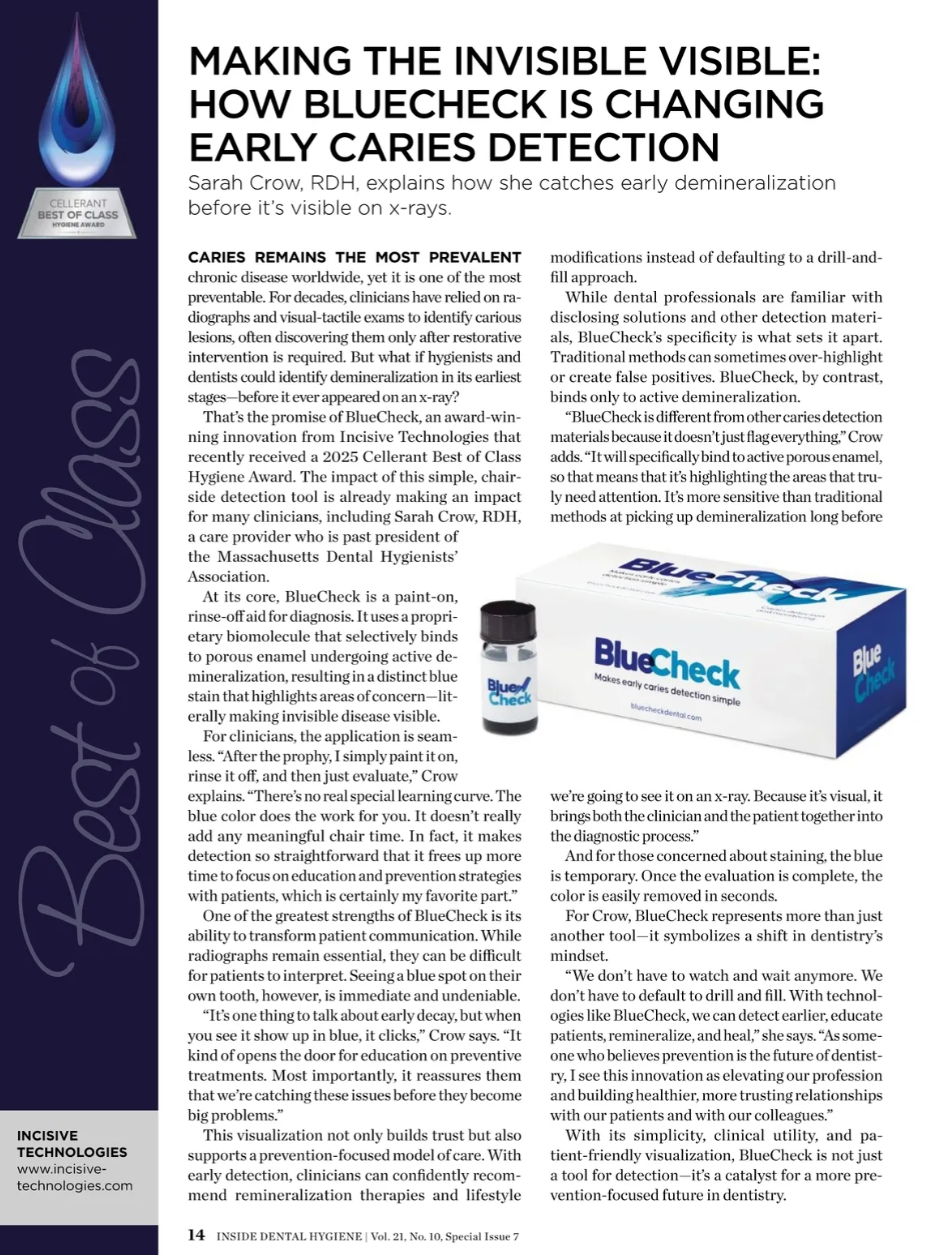
Inside Dental Hygiene: Making the Invisible, Visible. How BlueCheck is Changing Early Caries Detection
Sarah Crow, RDH, explains for decades, clinicians have relied on radiographs and visual-tactile exams to identify carious lesions, often discovering them only after restorative intervention is required. But what if hygienists and dentists could identify demineralization in its earliest stages—before it ever appeared on an x-ray?
For Crow, BlueCheck represents more than just another tool—it symbolizes a shift in dentistry’s mindset. “We don’t have to watch and wait anymore. We don’t have to default to drill and fill. With technologies like BlueCheck, we can detect earlier, educate patients, remineralize, and heal,”
Inside Dental Hygiene, November 2025
Celebrating the 2025 Dental Innovator Award Winners
Proud to receive 2025 Dental Innovator Bronze Award. The Dental Innovator Awards recognized outstanding companies whose products respond to the dental industry’s market challenges with creativity and innovation.
Honorees were selected by an anonymous panel of unbiased dentists and hygienists who scored the submissions. The scoring process was based on the impact the innovation had on the dental or dental hygiene industry, including but not limited to improving the standard of care, clinical efficiency, ergonomics, delivery of care, profitability, and best practices.
RDH, July 2025
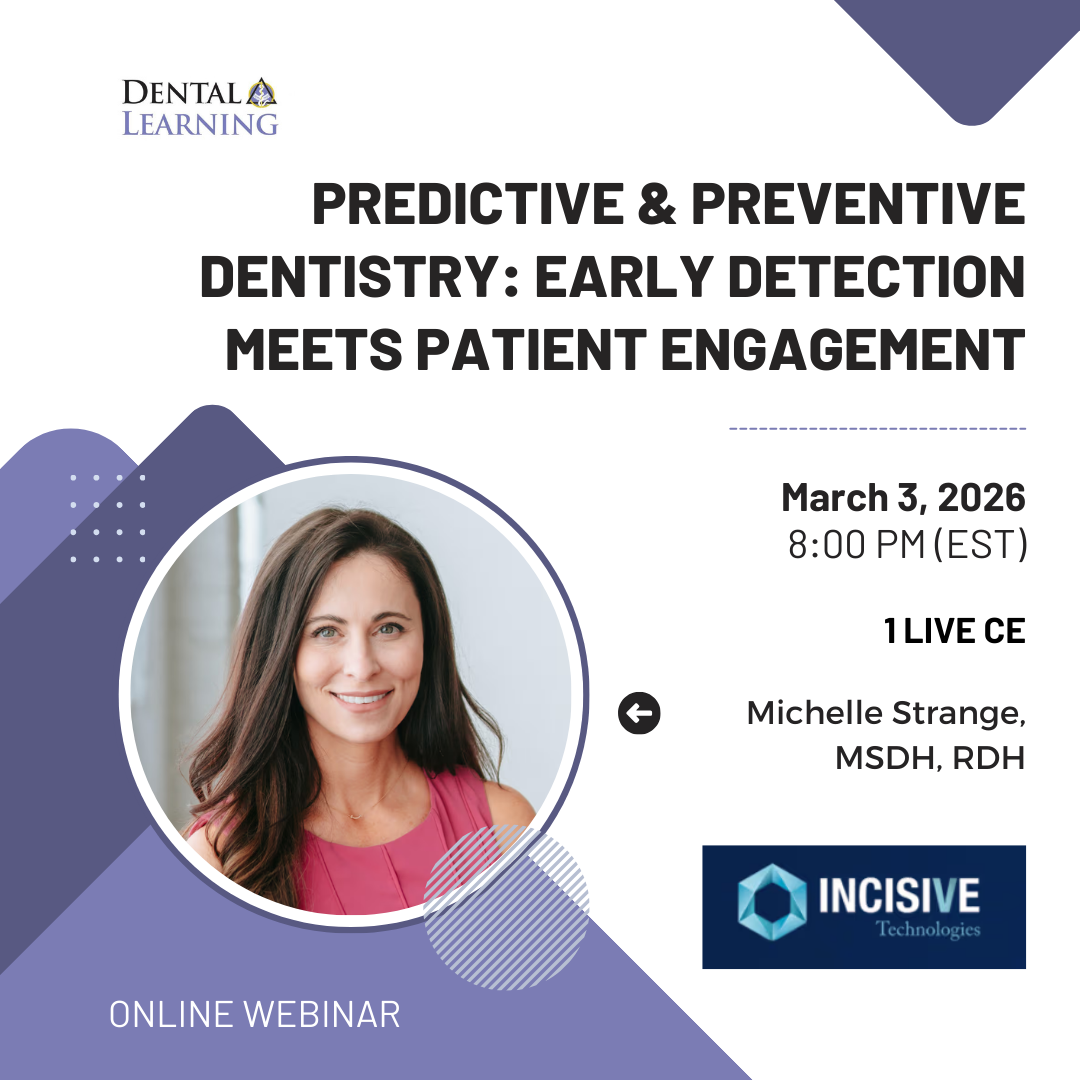
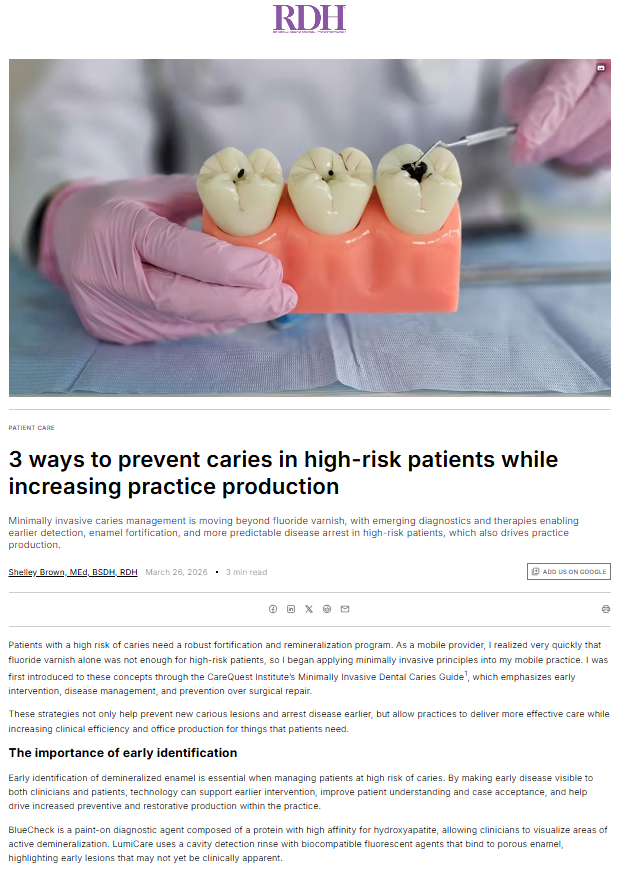
Dental Learning Webinar Predictive & Preventive Dentistry Early Detection Meets Patient Engagement
This one-hour CE Webinar explores how dental professionals can enhance their practice:Use the 4Ps framework to build predictive, preventive, personalized, and participatory care plans. Identify early caries and incipient lesions using advanced tools. Communicate risk in a way that empowers patients rather than scares them. Watch now
Presenter: Michelle Strange, MSDH, RDH. Live recording March 3, 2026.
RDH: 3 Ways to prevent caries in high risk patients while increasing practice production
Minimally invasive caries management is moving beyond fluoride varnish, with emerging diagnostics and therapies enabling earlier detection, enamel fortification, and more predictable disease arrest in high-risk patients, which also drives practice production.
Shelley Brown, MEd, BSDH, RDH. RDH Magazine, March, 2026
Videos & Podcasts
How to use BlueCheck - Clinical
American Academy of Pediatric Dentistry, New Product Spotlight - Prof Kevin J. Donly Now you can See Pre-visible Caries Lesions with BlueCheck: A novel paint on caries detection technology
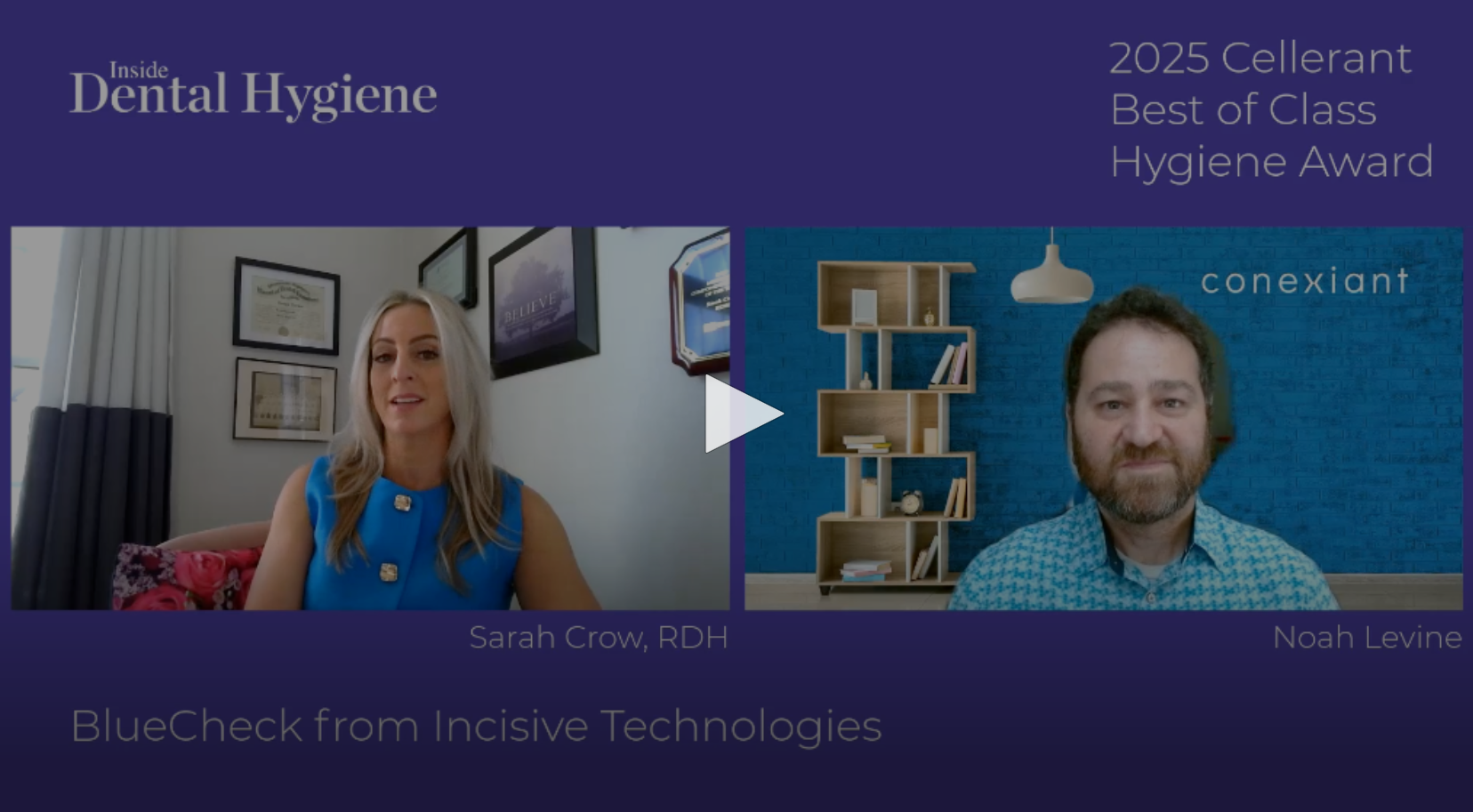
Inside Dental Hygiene, Conexiant TV - Sarah Crow and Noah Levine talk award winning BlueCheck and early-stage caries detection
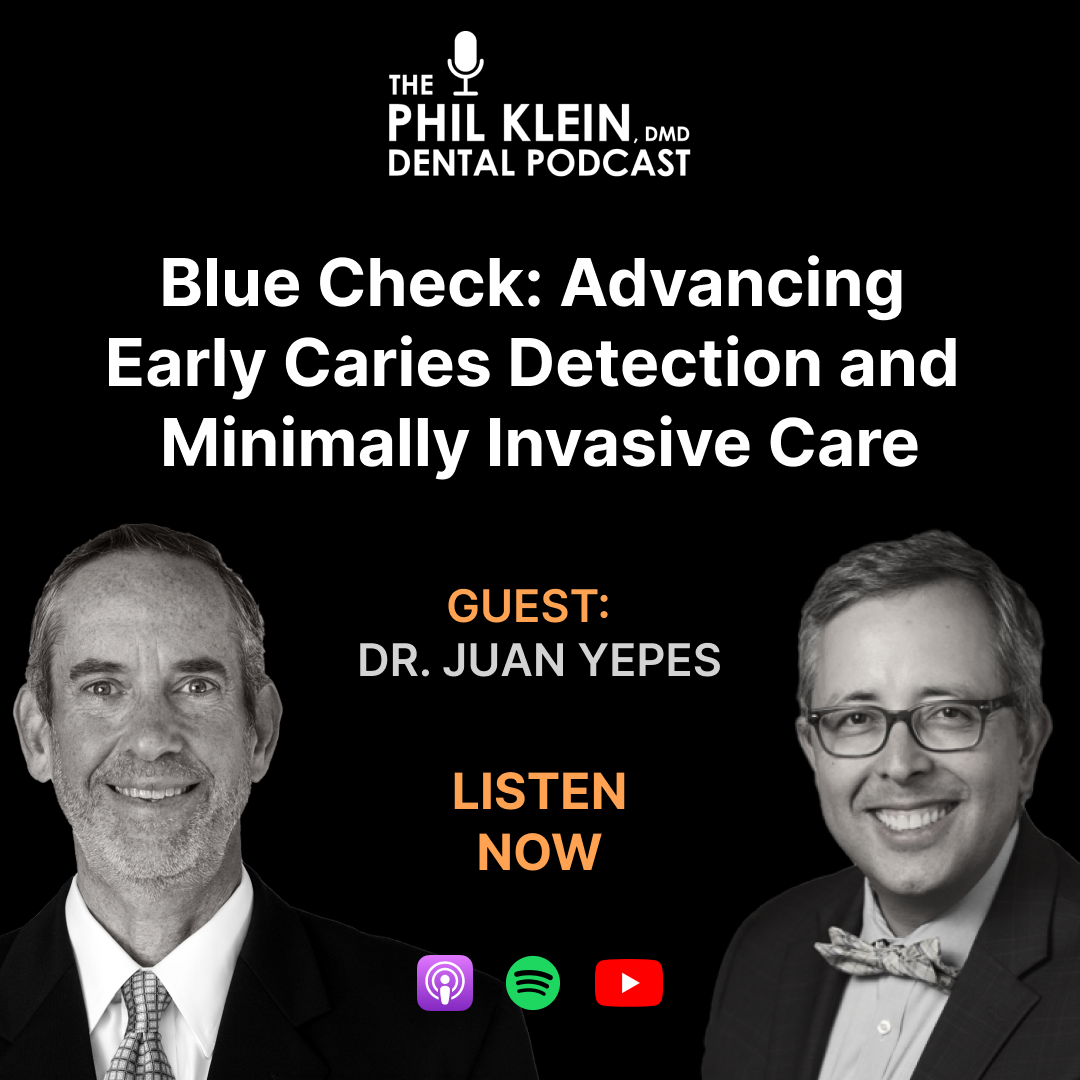
The Phil Klein Dental Podcast - Dr Klein speaks with Dr Juan Yepes about advancing early caries detection with BlueCheck to enhance minimally invasive care

A Tale of Two Hygienists dental hygiene podcast, Ep 431 - Assessing and Diagnosing Caries with Jessica Woods, RDH.
How to use BlueCheck - Simple Animation
Bluecheck in the News
Incisive Press Release
Incisive Technologies announces the US Food and Drug Administration (FDA) has issued 510K clearance for BlueCheck Caries Detection and Monitoring, a novel device used by clinicians in dental examinations to aid the detection of early caries (tooth decay).

Incisive Technologies’ BlueCheck receives FDA approval and is coming to the US dental market.
CareQuest Innovation Partners and Matter Announce Second Cohort for Smile Health and Extensive Roster of Industry-Leading Partners.
Publications
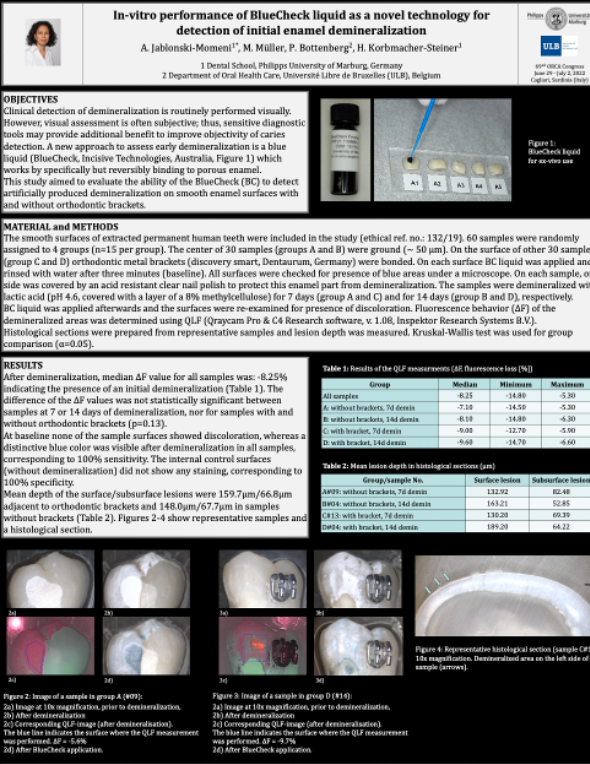
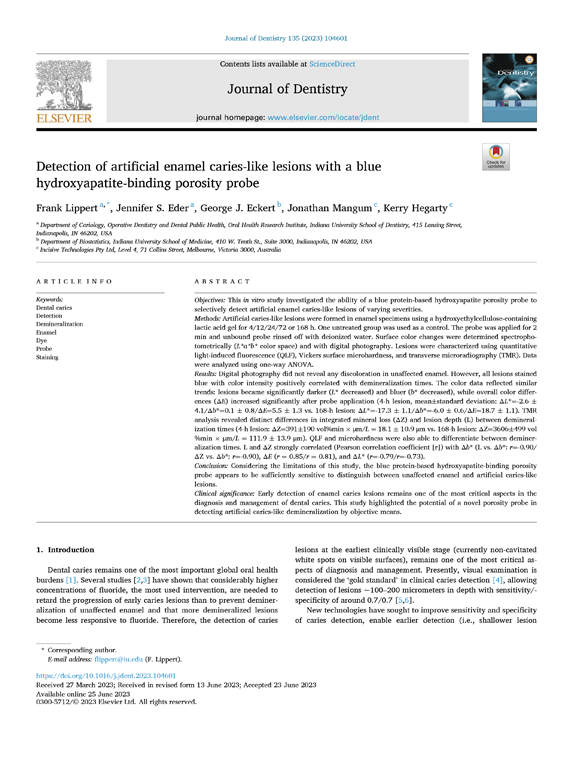
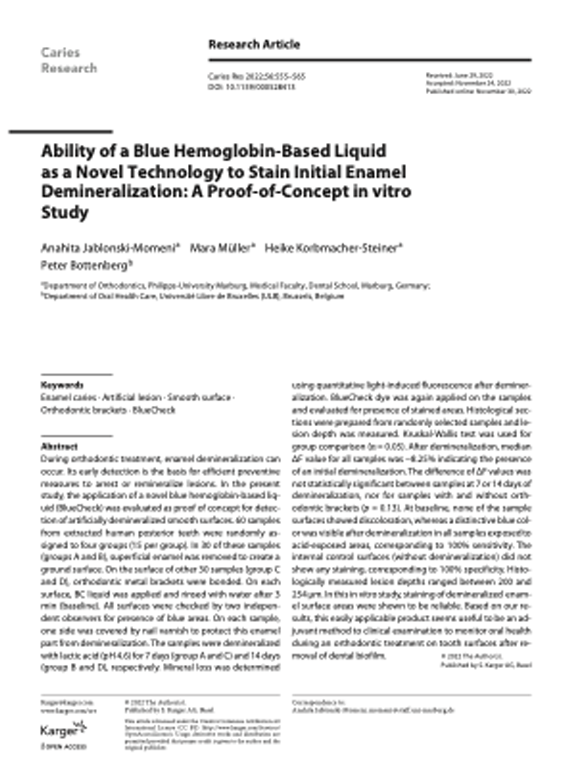
Poster: Jablonski-Momeni A, et al. In-vitro performance of BlueCheck liquid as a novel technology for detection of initial enamel demineralization. ORCA, July 2022.
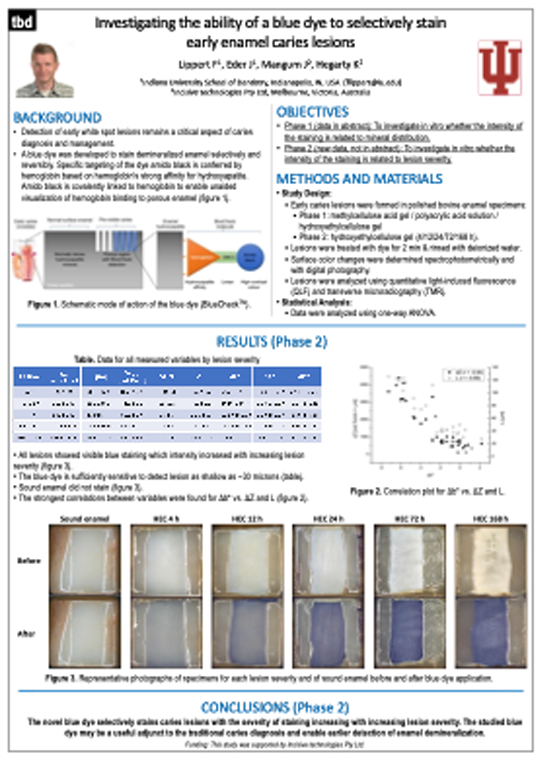
Poster: Lippert F, et al. Investigating the ability of a blue dye to selectively stain early enamel caries lesions. ORCA, July 2022.
Poster: Mascarenhas R, et al. Investigation of a novel diagnostic for early detection of white spot lesions. ASO, March 2022.
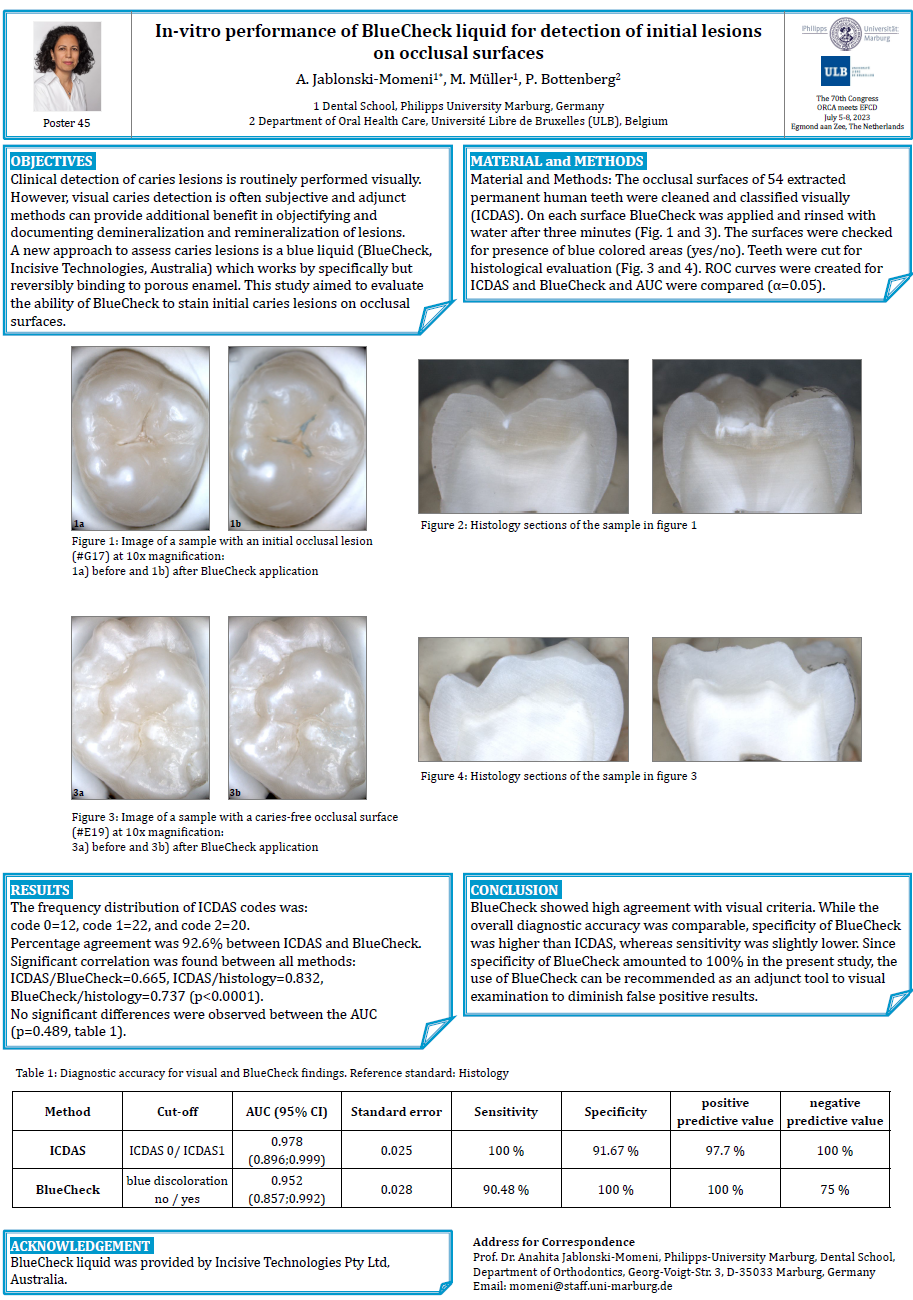
Poster: Jablonski-Momeni A, et al. In-vitro performance of BlueCheck liquid for detection of initial lesions on occlusal surfaces. ORCA, July 2023.
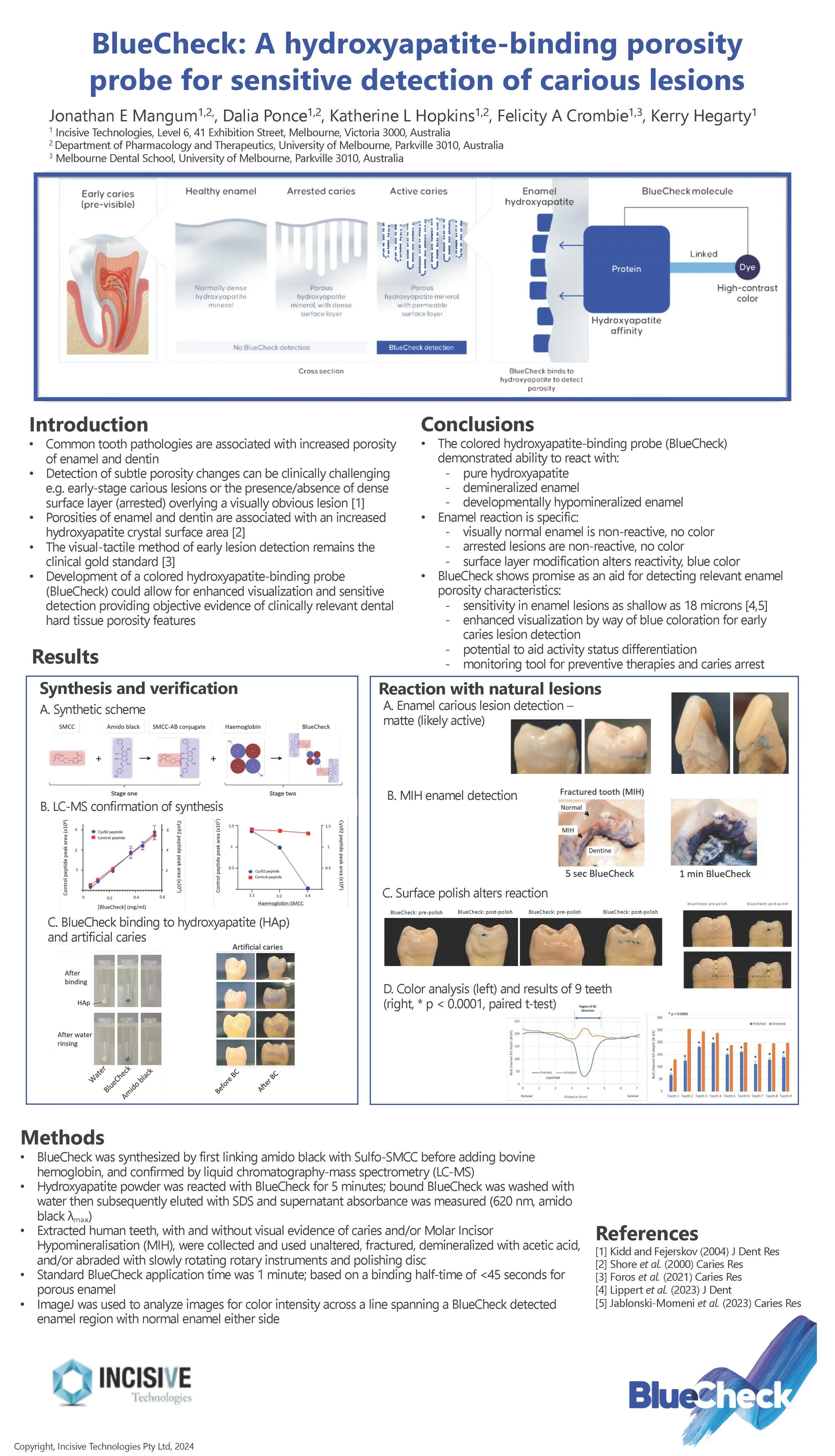
Poster: Mangum J, et al. BlueCheck: A hydroxyapatite-binding porosity probe for sensitive detection of carious lesions. IADR, March 2024.
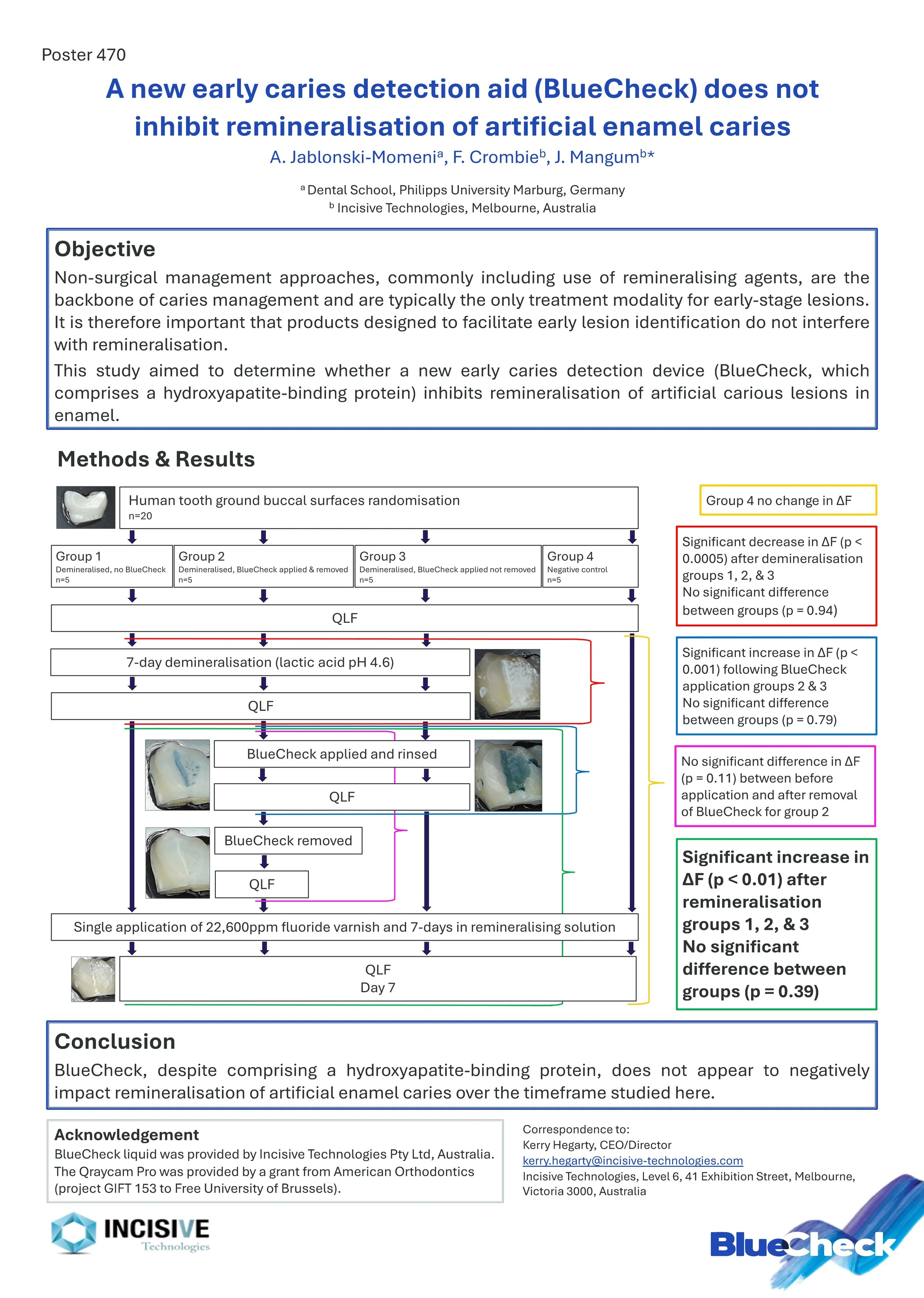
Poster: A. Jablonski-Momeni, et al. A new early caries detection aid (BlueCheck) does not inhibit remineralisation of artificial enamel caries. ORCA, June 2024.

MedTech Market Growth Program 2024
Incisive Technologies selected recipient for MedTech Market Growth Program Grant from LaunchVic and Department of Jobs, Skills, Industry and Regions.
Australian Government Industry Growth Program Grant Recipient 2024
Incisive Technologies selected recipient for Australian Government’s prestigious Industry Growth Program Commercialisation and Growth Grant.
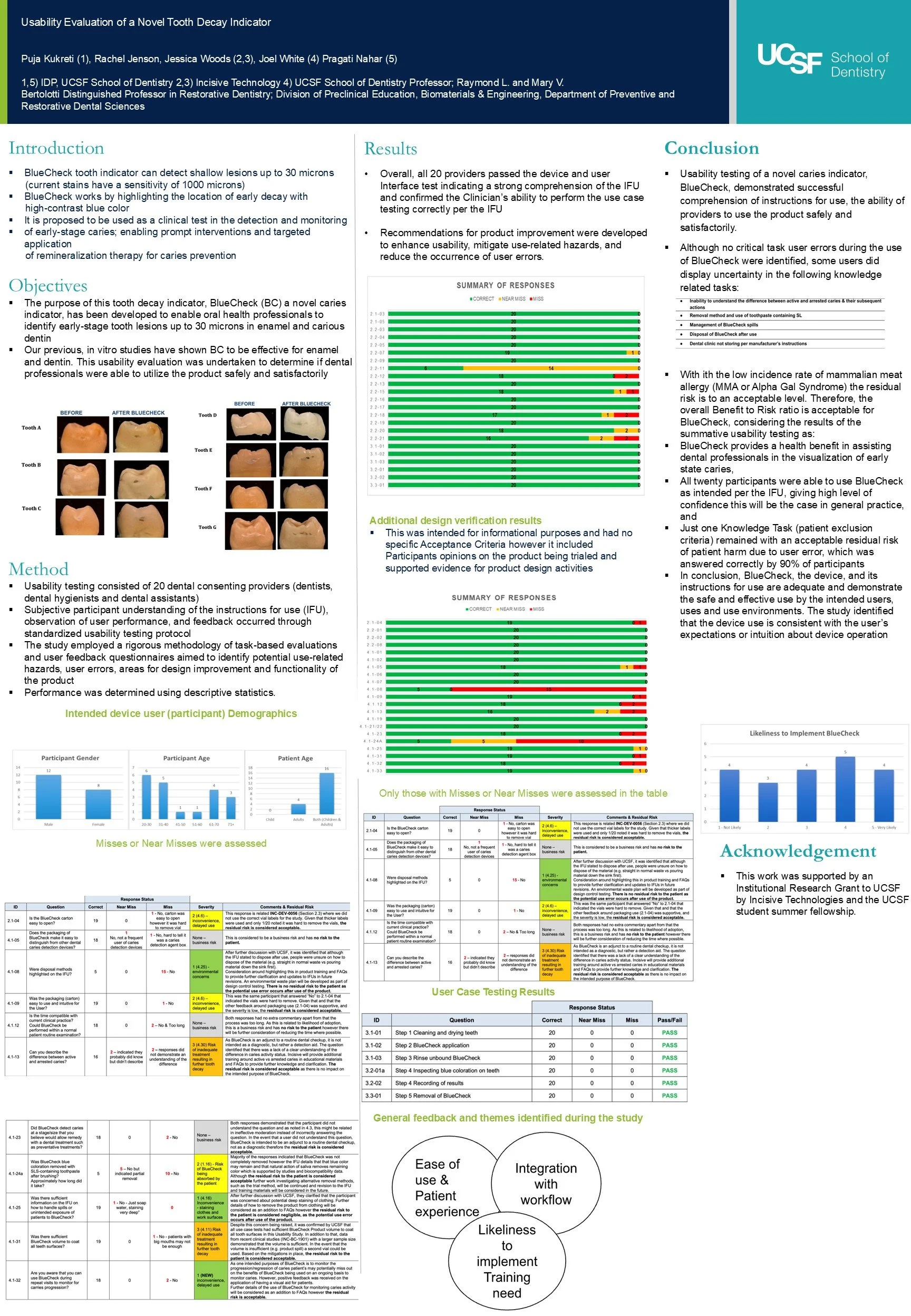
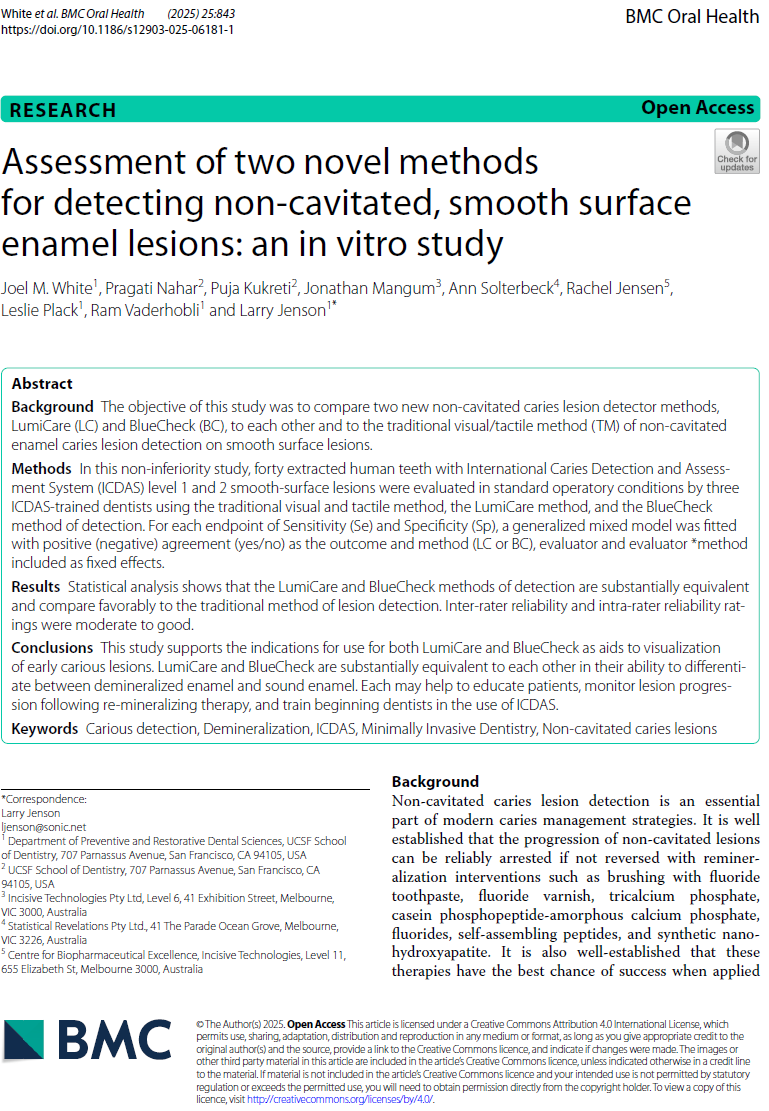
Poster: Kukreti P, et al. Usability Evaluation of a Novel Tooth Decay Indicator. AADOCR, March 2025.
BlueCheck receives 2025 Dental Innovator Award at RDH Under One Roof
Incisive Technologies Honoree of Dental Innovator Award for BlueCheck. An independent panel of judges looked at innovations across improving the standard of care, clinical efficiency, ergonomics, delivery of care, profitability, and best practices.
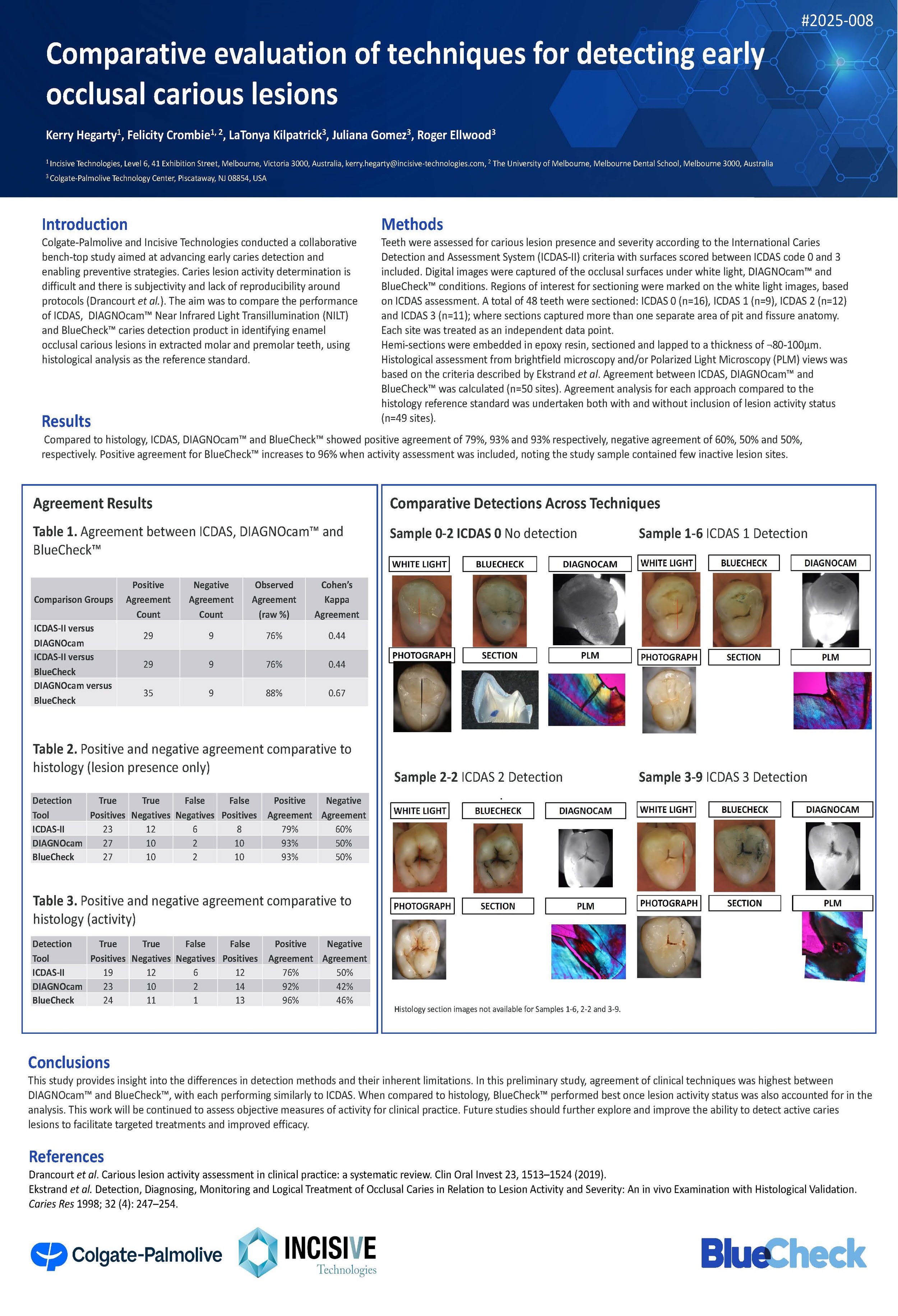
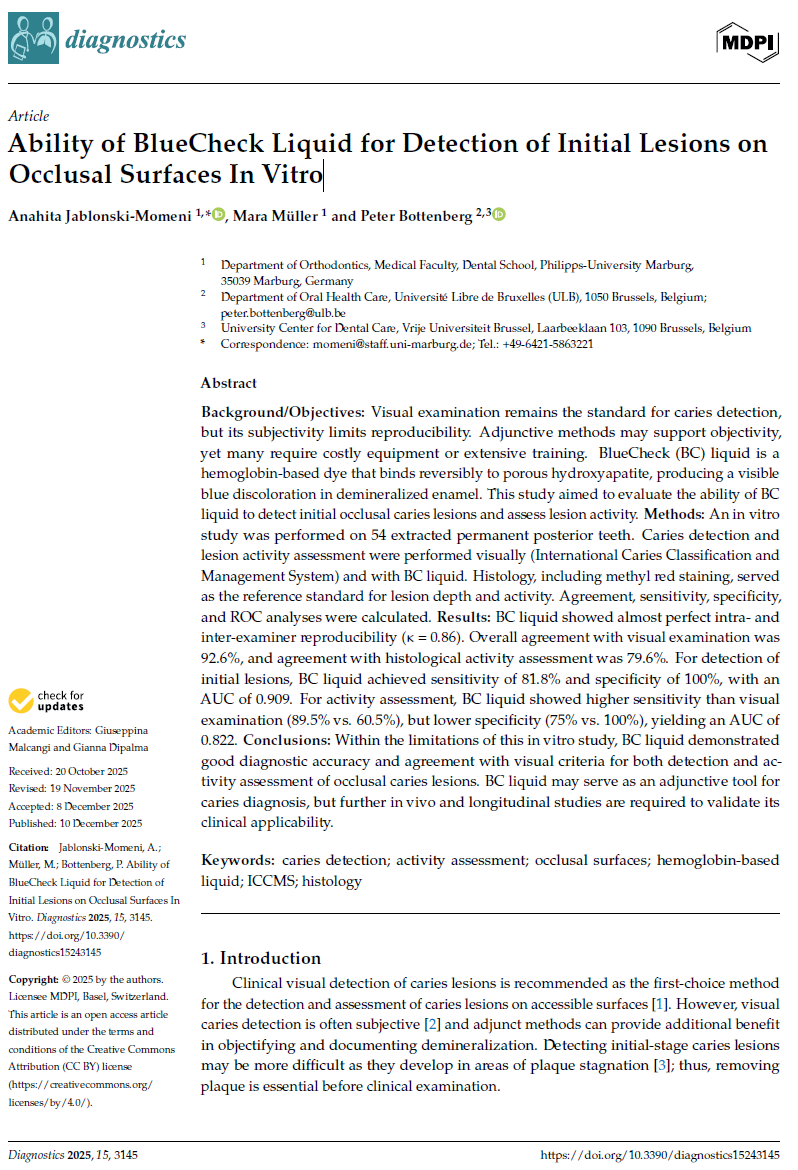
Poster: Hegarty, K, et al. Comparative evaluation of Techniques for detecting early occlusal carious lesions. AAC, September 2025.
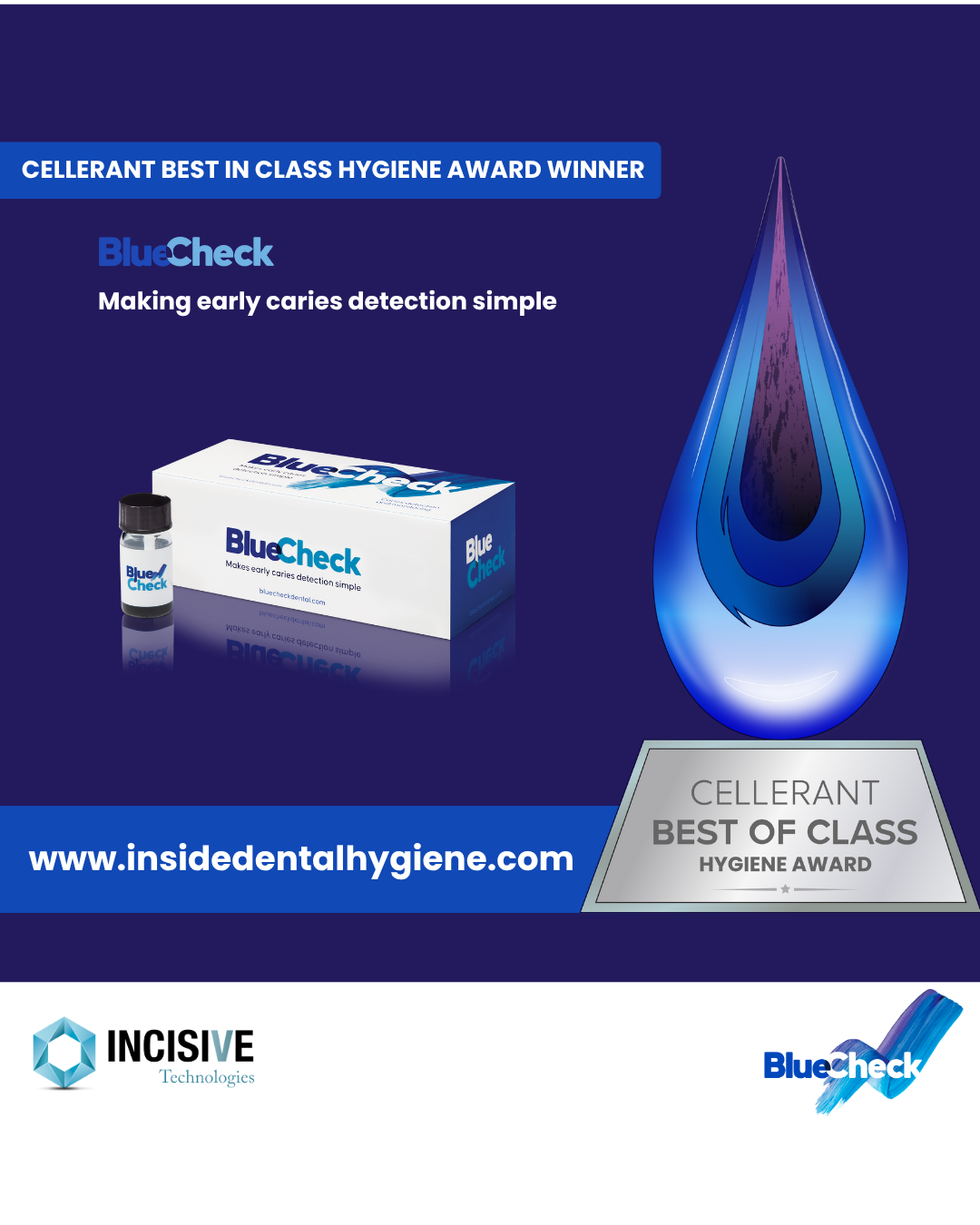
Innovations in Dental Hygiene:2025 Cellerant Best of Class Hygiene Awards
BlueCheck thrilled to be selected as one of the innovations to receive the 2025 Cellerant Award. Each year a panel of experts meets to discuss cutting-edge products in dental hygiene, to decide which ones will be honored with Best of Class Hygiene Awards.
Frequently Asked Questions
-
BlueCheck is an innovative optical aid for caries detection and monitoring. It is a paint-on application, taking less than a few minutes, used as a professional chairside aid to identify dental caries lesions in enamel and dentin. It is designed to objectively visualize early stage decay and to monitor lesion activity over time.
-
BlueCheck is a saline‐based caries detection and monitoring device, a solution containing a novel biomolecule (a protein) linked to a dye that helps reveal changes in enamel; clearly, early and in color.
When applied by painting onto a patient’s teeth, BlueCheck absorbs into the dental tissue where it specifically and reversibly binds to regions of porosity. After a rinse step, unbound blue is washed away with water, leaving visible blue color on the tooth’s surface at the sites of demineralization.
BlueCheck utilizes the natural hydroxyapatite‐binding chemistry of proteins to bind to the dental hydroxyapatite in active caries lesions. A change in color enables clinicians to visualize surface and sub‐surface porosity associated with dental caries in enamel and dentin.
There is no blue color where there is an intact enamel surface (healthy enamel) or an arrested surface layer (arrested or healed lesion) where there is no exposed hydroxyapatite crystal for BlueCheck to bind to.
-
Indications: BlueCheck is indicated to aid the dental professional in the visualization of carious lesions.
Instructions for Use: BlueCheck is intended to be used as an adjunct to routine clinical dental examinations.
-
BlueCheck’s procedure is simple and it gives a fast, direct, sensitive and specific measure of disease status.
It was designed as an optical aid and prevention tool to assist the Clinician in the management of their patient’s by aiding the detection and prevention of dental caries. It enables the visualization of early-stage (incipient / enamel) active caries lesions.
Early detection of disease enables the use of non-invasive treatment options to repair and heal the tooth’s enamel and is a powerful education tool and motivator for the patient to improve oral hygiene and aid acceptance of treatments.
Optical aids to enhance dental caries detection and monitoring are new category of products aimed at supporting the new era of dentistry, prevention and minimally invasive dentistry through advanced technology that arms clinicians with visual evidence of early stage disease (incipient or early enamel caries lesions) and lesion activity (such as BlueCheck, Calcivis and Lumicare).
-
Store at Room Temperature 2° to 25°C (35° to 77°F).
Avoid direct heat or sunlight and do not freeze.
-
BlueCheck has no added flavour and has a neutral, slightly salty taste.
-
Instructions For Use, Precautions:
Do not use on patients with allergies or sensitivity to the ingredients of BlueCheck.
Use on patients with clinically severe developmental dental defects with exposed subsurface tooth enamel and dentine (such as amelogenesis imperfecta), may lead to coloration due to the developmentally porous tissue.
-
No the blue color is not permanent.
BlueCheck’s hydroxyapatite binding uses a temporary electrostatic interaction, and the blue is easily removed with SLS-containing toothpaste and/or a Hydrogen Peroxide Solution (3%).
Internal Studies under a worst case scenario have shown that any blue color on teeth is removed by action of saliva within 6 hours.
-
Unlike other caries or plaque detection devices, if BlueCheck has colored a patient’s lips and gums during application, the color is removed by rinsing with water and/or the use of SLS-containing toothpaste and normal saliva activity.
-
If spills do occur, immediate washing with soap and water will reduce the extent of any staining. For spills on surfaces, use absorbent paper or cloth to collect the material, then wash with soap and water.
-
BlueCheck is non-toxic to the environment, is not a biohazard and its packaging is recyclable.
It can be disposed of in the normal trash waste bins, per local recycling and disposal guidance. To avoid spills and unintended coloration, ensure the lid is securely fastened to the vial prior to discarding.
-
Yes. Use CDT code D0600 to submit for reimbursement: “Non-ionizing diagnostic procedure capable of assessing and documenting changes in the structure of enamel, dentin, and cementum.” (American Dental Association (ADA) CDT Code)
However, the procedure may be performed within and enhance other dental codes within caries management environment, such as routine patient dental examination, caries risk assessment, nutrition counselling, oral hygiene instruction, dispensing medicaments for home use and a number of preventive and restoration treatment codes.
External Resources: Prevention and Minimally Invasive Dentistry
External Guidance
The Non-Invasive Caries Therapy Guide
The CareQuest Non-Invasive Caries Therapy Guide is an illustrated manual on diagnostics, preventives, and therapeutics to fight dental caries without removing tooth structure, including instructions and tips to manage dental caries.
CareQuest Institute for Oral Health. The Non-Invasive Caries Therapy Guide. Boston, MA: April 2023.
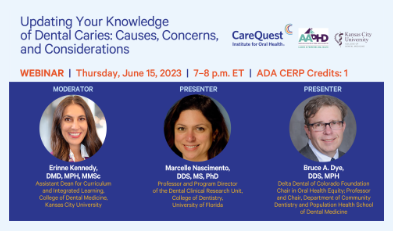
Updating Your Knowledge of Dental Caries: Causes, Concerns, and Considerations
The CareQuest Updating Your Knowledge of Dental Caries: Causes, Concerns and Considerations is a webinar that explores What causes dental caries? And how can a greater understanding of the disease help providers offer preventive, person-centered care that leads to better overall health?
In this webinar, a collaboration between CareQuest Institute, Kansas City University, and the American Association of Public Health Dentistry (AAPHD), our expert panel will take a deep dive into the etiology of dental caries, including the role of host factors, saliva, diet, and oral hygiene. They will also cover the epidemiology of caries, the contributory causes of the disease, and the concept of the caries balance.
This is the first in a series of summer webinars on understanding, assessing, and managing caries.
CareQuest Institute for Oral Health. Webinar: Updating Your Knowledge of Dental Caries: Causes, Concerns and Considerations. June 2023.
Self Paced Education Online Course (1 CE)

Connecting Caries Risk Assessments and Cultural Awareness
The CareQuest Connecting Caries Risk Assessments and Cultural Awareness is a webinar that covers assessing a patient’s risk for caries is a key component of preventive care that is critical to a patient’s overall health and well-being. Which assessment method is most effective? And how do you communicate risks in a way patients understand?
In this webinar, a collaboration between CareQuest Institute, Kansas City University, and the American Association of Public Health Dentistry (AAPHD), our expert panelists will discuss the CAMBRA — caries management by risk assessment — system and its benefits. They’ll also explore the role of coaching, motivational interviewing, and cultural humility to help identify and address patient risk factors — especially those outside of the dental office.
This is the second in a series of summer webinars on understanding, assessing, and managing caries.
CareQuest Institute for Oral Health. Webinar: Connecting Caries Risk Assessments and Cultural Awareness. Boston, MA: July 2023.
Self Paced Education Online Course (1 CE)
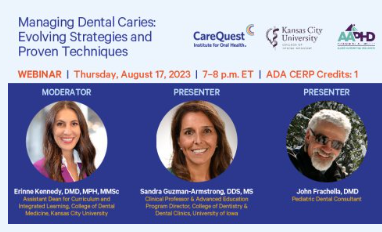
Managing Dental Caries: Evolving Strategies and Proven Techniques
The CareQuest Managing Dental Caries: Evolving Strategies and Proven Techniques is a webinar that explores new evidence, new treatments, and new innovations shape the way dental teams manage the disease. As what we know about cariology continues to evolve.
How can providers apply this knowledge to provide personalized prevention recommendations for patients?
In this webinar, a collaboration between CareQuest Institute, Kansas City University, and the American Association of Public Health Dentistry (AAPHD), our expert panel will explore that question and various strategies for managing dental caries. They will also talk about avoiding a “one-size-fits-all” approach, sharing guidance on nonsurgical and nonrestorative protocols and implementation.
This is the third in a series of summer webinars on understanding, assessing, and managing caries.
CareQuest Institute for Oral Health. Webinar: Managing Dental Caries: Evolving Strategies and Proven Techniques. Boston, MA: August 2023.
Self Paced Education Online Course (1 CE)
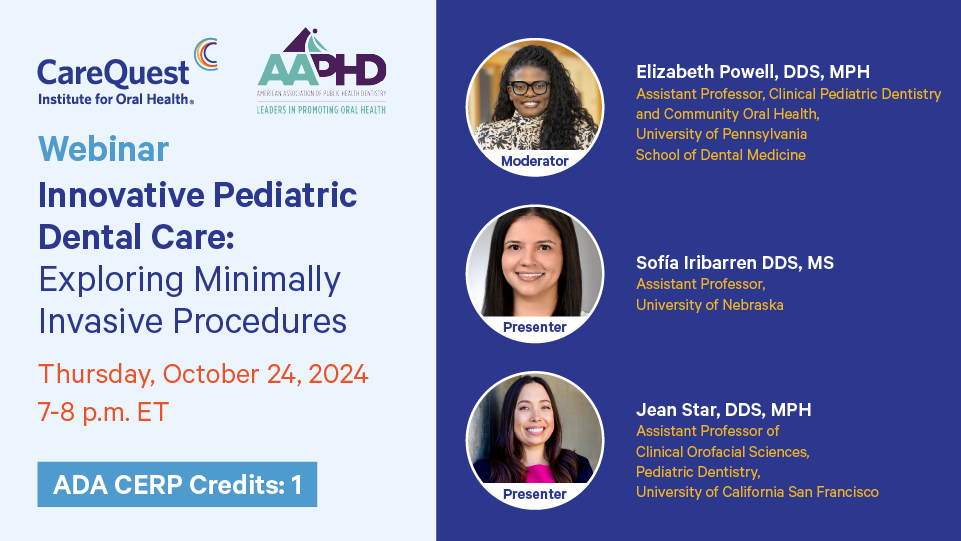
Innovative Pediatric Dental Care: Exploring Minimally Invasive Procedures
Minimally invasive dentistry prioritizes the preservation of healthy tooth structure while utilizing techniques to manage caries and prevent disease progression. How can this approach be effectively applied in pediatric dentistry to benefit young patients?
Join CareQuest Institute and the American Association of Public Health Dentistry for a webinar that will explore evidence-based, minimally invasive dental procedures tailored for children and adolescents. Our expert panel of pediatric dentists will discuss the advantages of these procedures and provide guidance on integrating them into daily practice. They'll also share insights on cariology, silver diamine fluoride (SDF), glass ionomer applications, Hall crowns, and effective communication strategies for children and their families — all designed to improve oral health outcomes for young patients.
Explain the principles of minimally invasive dentistry, including tooth remineralization and preservation.
Identify the key elements of the caries disease process and recognize how risk assessments guide patient-centric care decisions.
Discuss the benefits of several treatments as they relate to caries management, including silver diamine fluoride (SDF), glass ionomer materials, atraumatic restorative treatment (ART), and Hall crowns.
CareQuest Institute for Oral Health. Webinar: Innovative Pediatric Dental Care: Exploring Minimally Invasive Procedures. Boston, MA: October 2024.
Self Paced Education Online Course (1 CE)
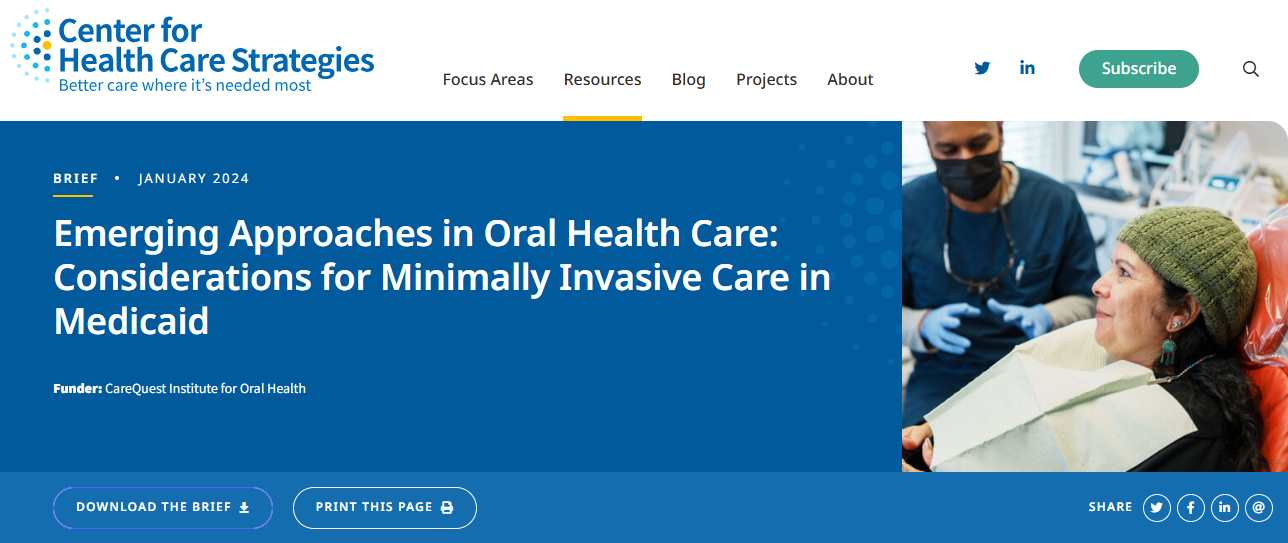
Emerging Approaches in Oral Health Care: Considerations for Minimally Invasive Care
Minimally invasive care (MIC) is an approach in dentistry that prioritizes dental caries (tooth decay) risk assessment and prevention, early dental caries detection and restoration, and the preservation of tooth structure in dental caries treatment.
By supporting and prioritizing MIC, state Medicaid agencies can help: (1) increase access to oral health care in non-traditional settings; (2) advance health equity; (3) expand the oral health care workforce; and (4) integrate oral health care services into physical health care.
This brief also describes opportunities for state Medicaid programs to support the availability of MIC through payment strategies that encourage the uptake of these services.
Center for Health Care Strategies. January 2024.
Access The Brief
Best Practice Approach: Early Childhood Caries: Prevention and Management
A Best Practice Approach Report describes a public health strategy, assesses the strength of evidence for the effectiveness of the strategy, and uses practice examples to illustrate successful/innovative implementation.
Association of State and Territorial Dental Directors (ASTDD) Best Practices Committee. Best Practice Approach: Early Childhood Caries Prevention and Management [monograph on the Internet]. Reno, NV: Association of State and Territorial Dental Directors; Washington, DC: National Maternal and Child Oral Health Resource Center; 2023. Available from: www.astdd.org
Evidence-based clinical practice guideline on nonrestorative treatments for carious lesions
An expert panel convened by the American Dental Association Council on Scientific Affairs and the Center for Evidence-Based Dentistry conducted a systematic review and formulated evidence-based clinical recommendations for the arrest or reversal of noncavitated and cavitated dental caries using nonrestorative treatments in children and adults.
JADA. A Report from the American Dental Association: October 2018.

WHO Notes Oral Diseases Affect Close to 3.5 billion People Worldwide
The WHO Oral Health Programme leads the work on setting the global oral health policy agenda in close collaboration with member states and other key stakeholders. Recent momentum has led to the development of key policy documents to support countries in moving towards universal health coverage for oral health by 2030.
WHO A Global Health and Action Plan on Oral Health: Geneva: World Health Organization; 2024. Licence: CC BY-NC-SA 3.0 IGO. May 2024.
WHO SDF and dental carries
WHO Glass Ionomers and dental carries