

Tooth decay is the most prevalent chronic disease worldwide, and it’s largely preventable.
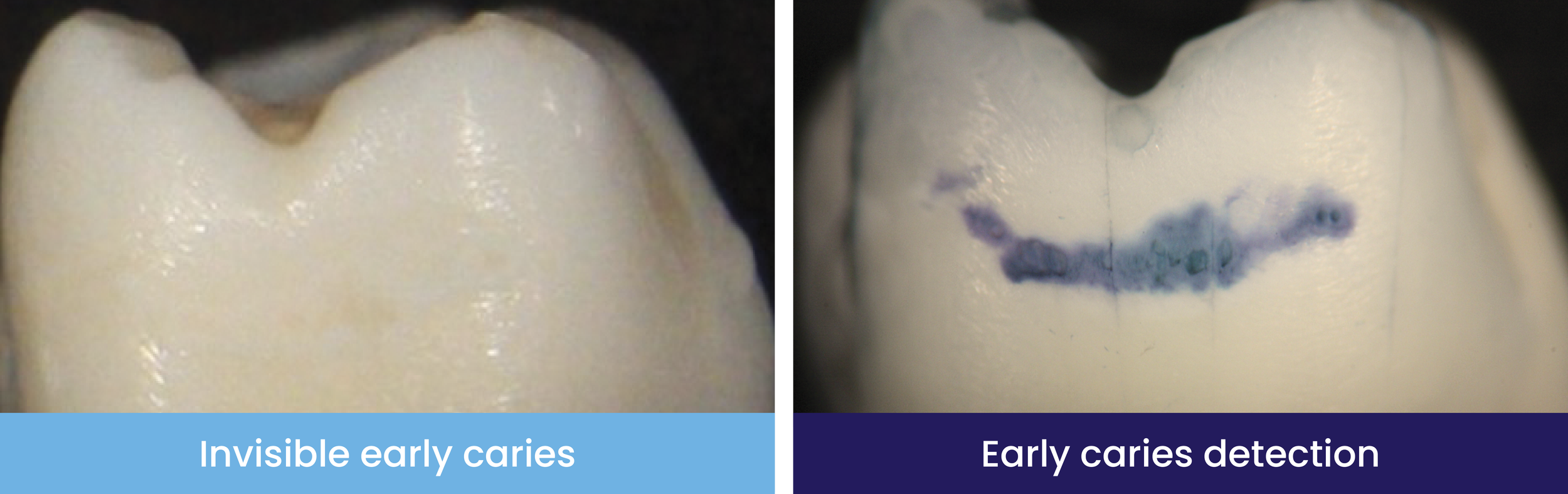
Detect cavities before they cause a problem, new technology allows the invisible, to be visible.
Tooth decay is a chronic disease,
like cardiovascular disease or diabetes.
By detecting the early signs, you can avoid the drill and medically manage it to halt the progression.
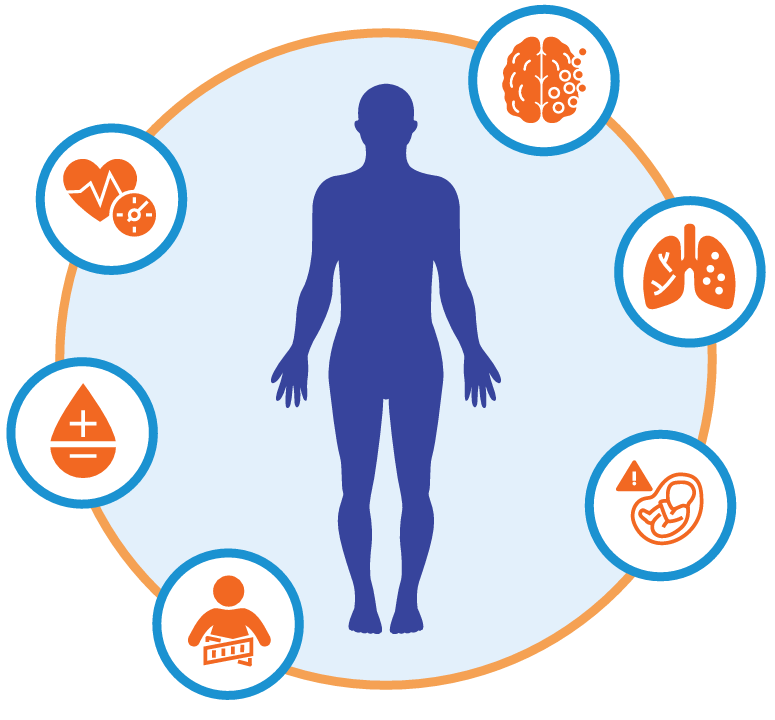
Good oral health is fundamental to overall health and wellbeing. Dental disease associated with poor oral health has been linked to many health conditions and chronic diseases, such as stroke, heart disease, diabetes, cancer, lung conditions, adverse birth outcomes and Alzheimer’s disease.
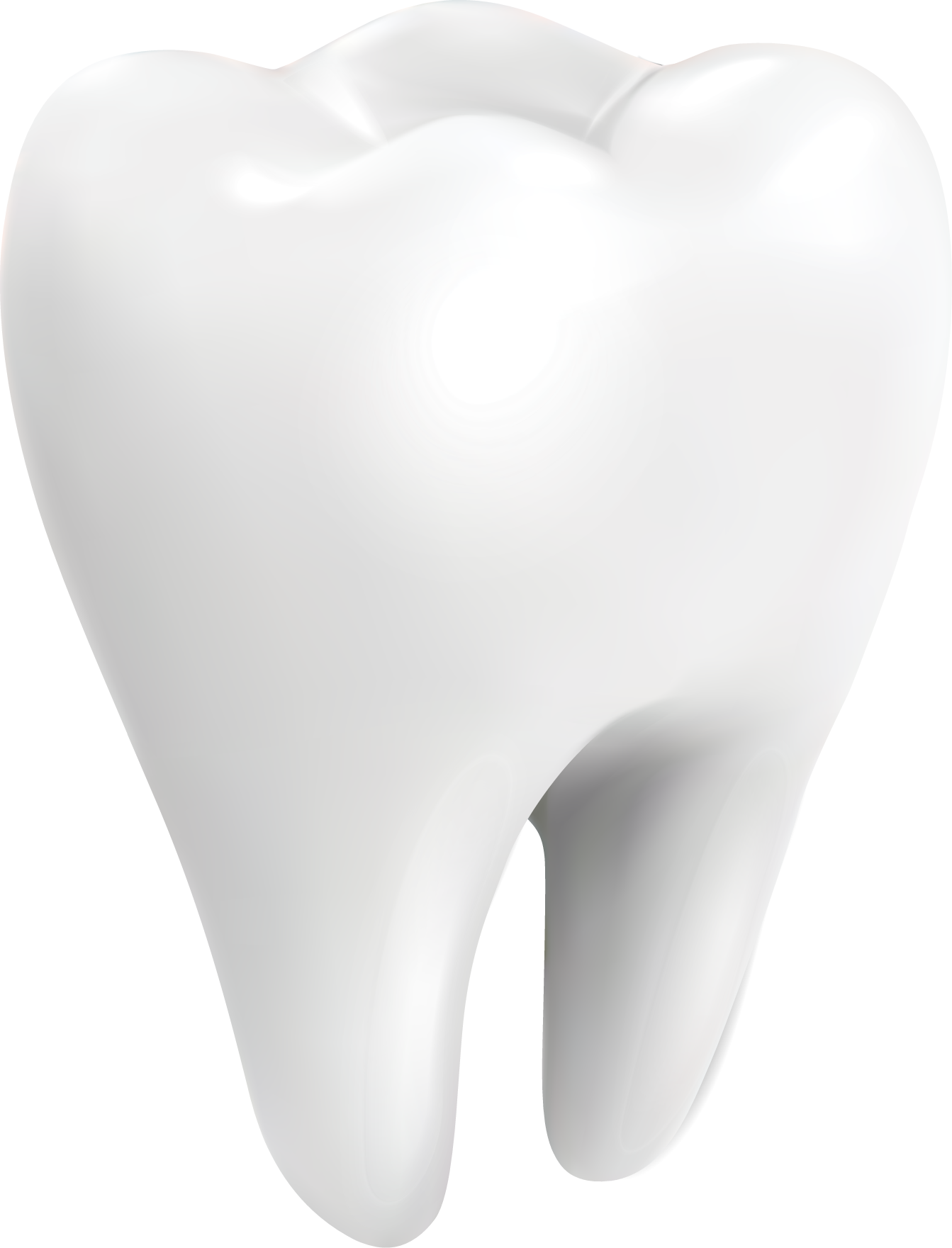
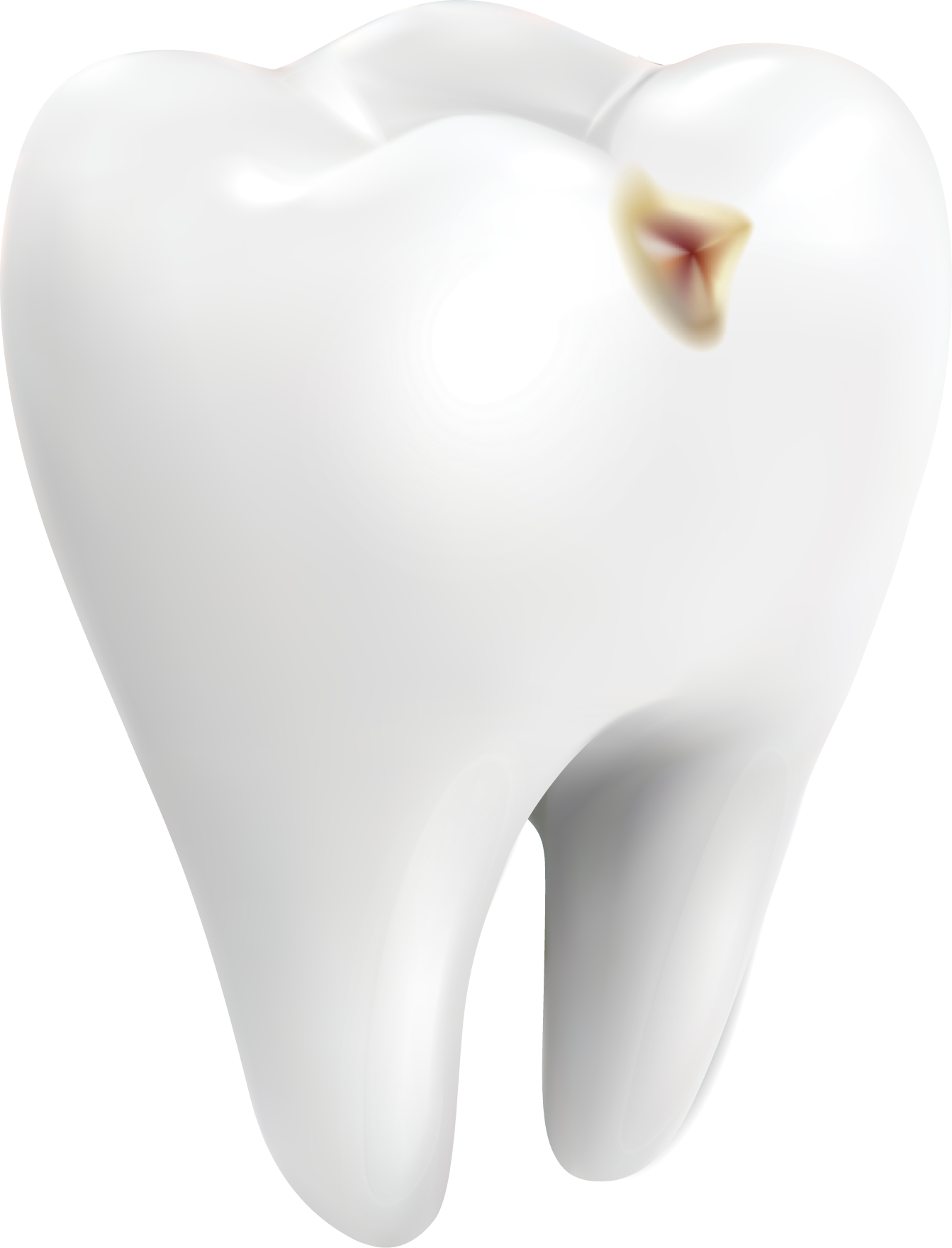
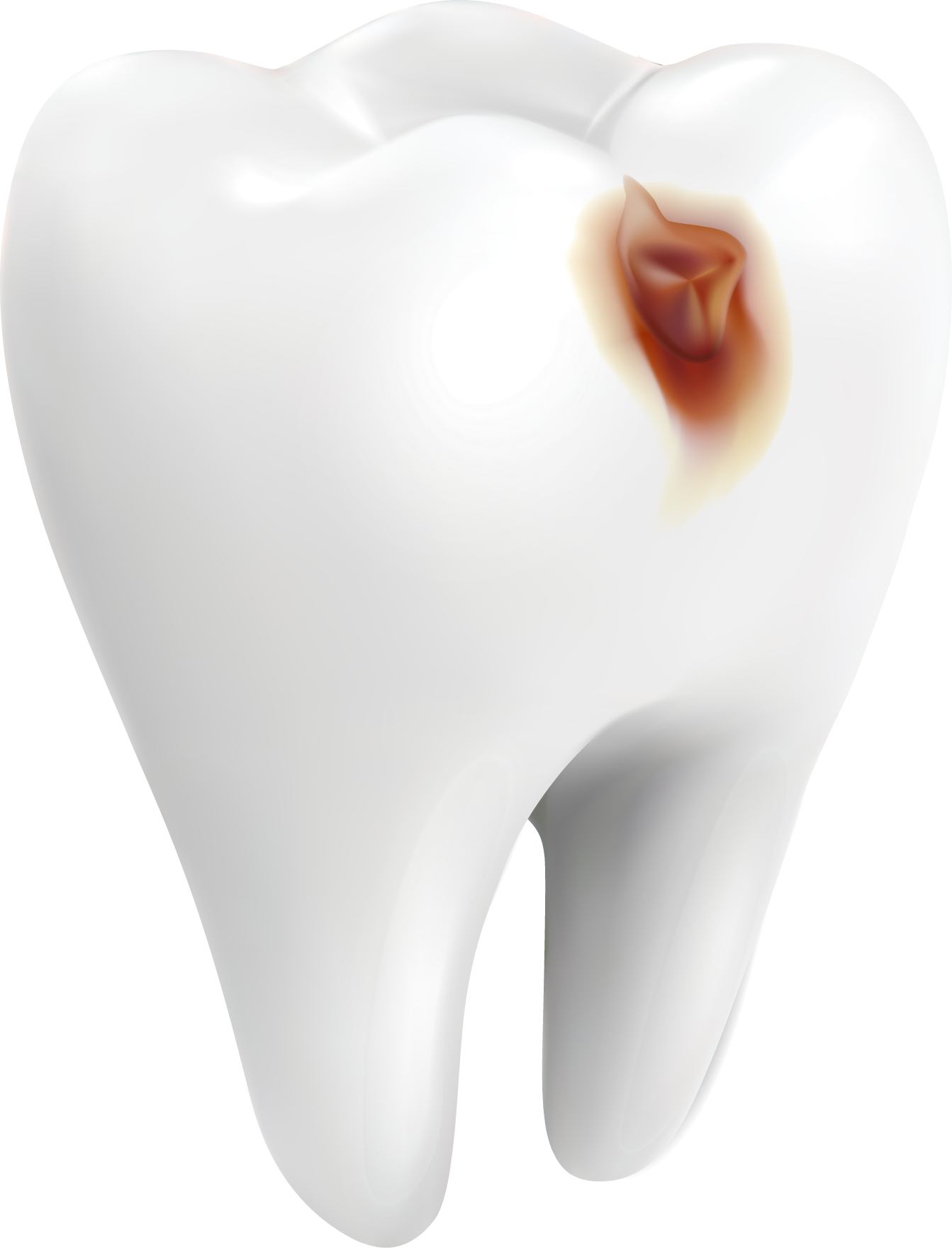
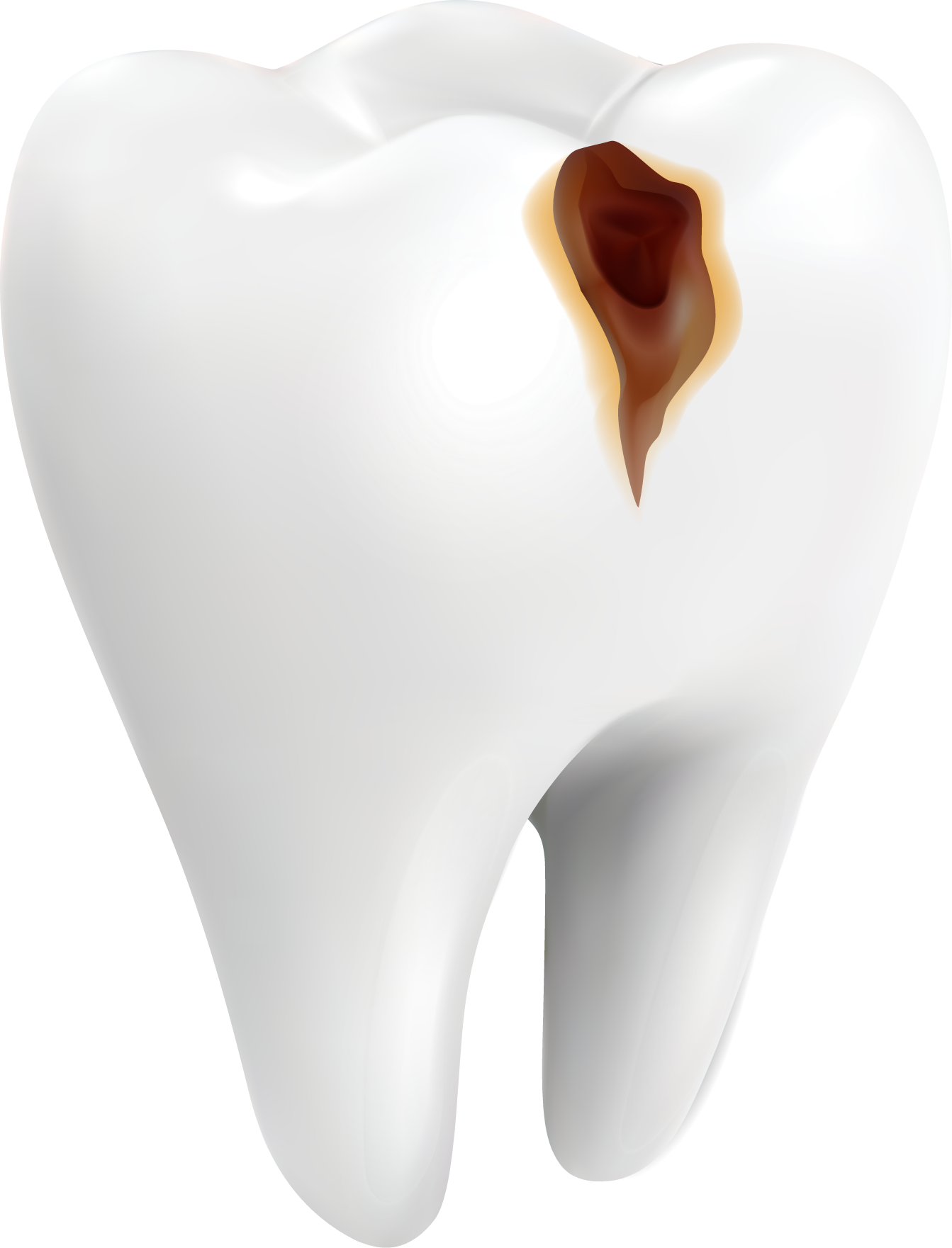
Healthy Tooth
Pre-visible lesion
White spot lesion
Carious
enamel lesion
Cavity,
pulp decay
Cavity,
dentin decay
The Tooth decay process
How does tooth decay happen?
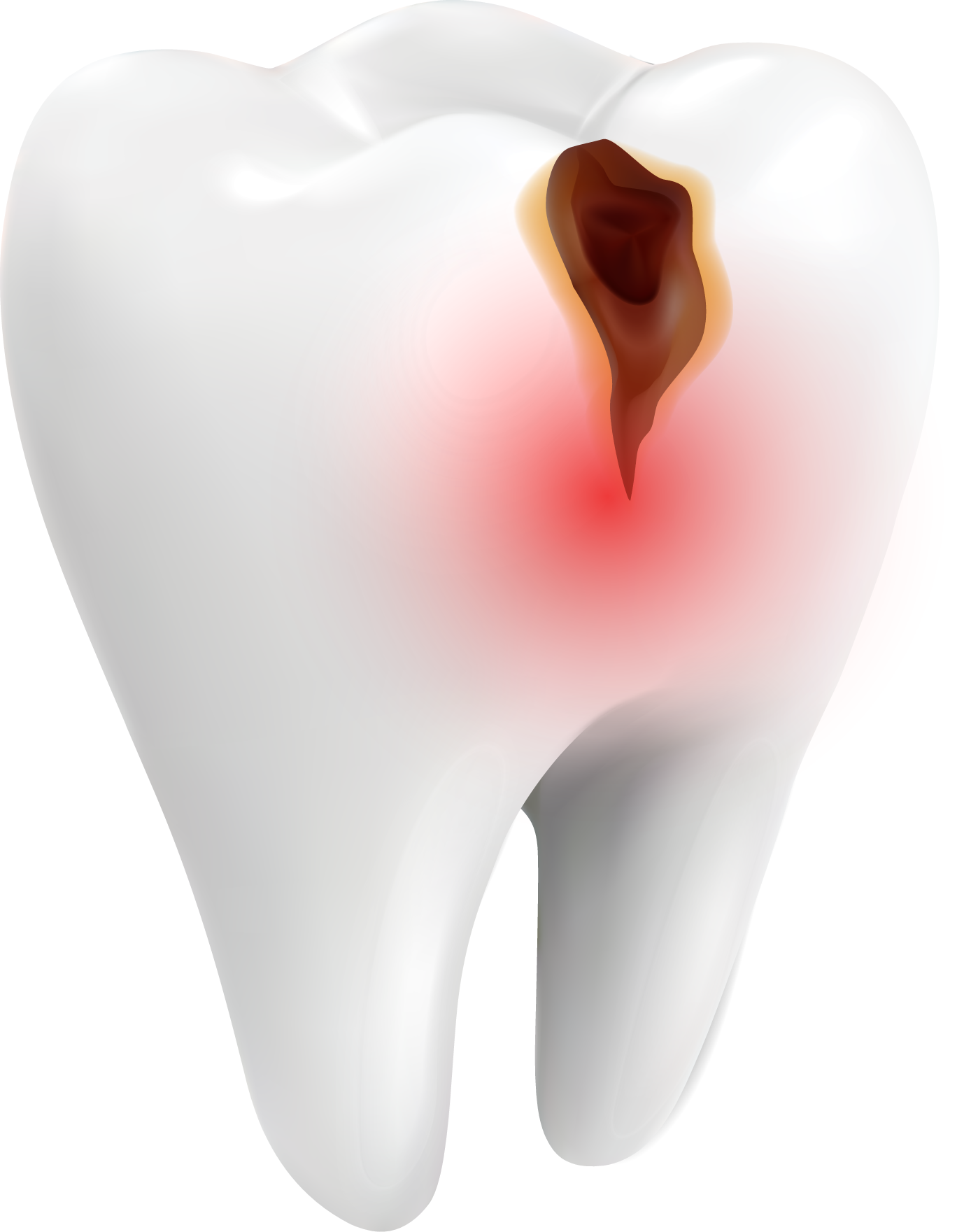
Tooth decay (cavities) starts when there is an imbalance in the mouth. The presence of sugar and bad bacteria create acids that break down the tooth’s hard, outer surface called enamel (a process known as demineralization).
If you can catch the damage early you have a better chance to heal or repair the enamel before any holes appear. However, if nothing is done to rebalance the mouth, eventually the tooth becomes so weak that a hole forms, called a cavity. If the damage is not found early or not treated, the hole will continue to grow into larger cavity.
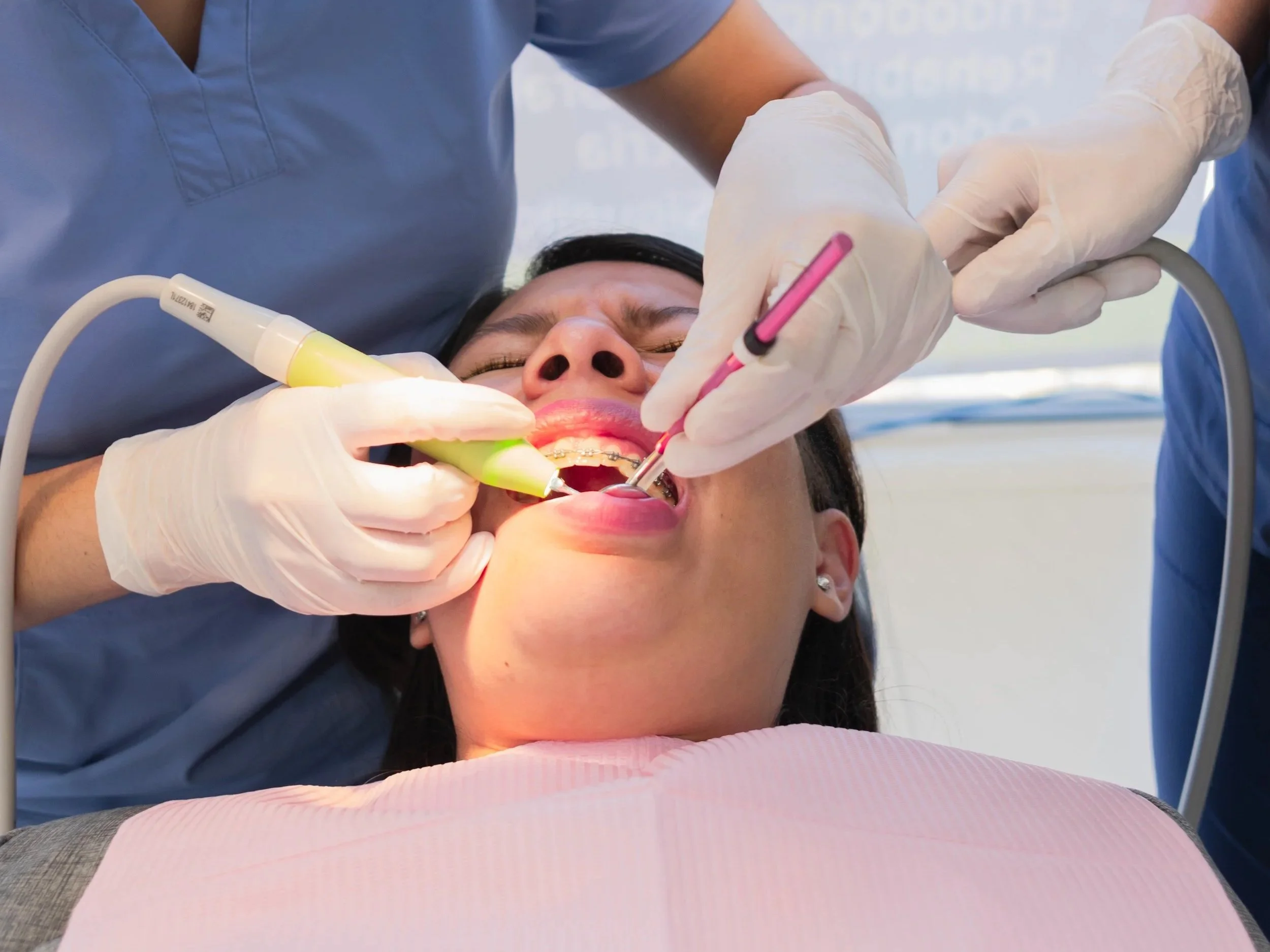
How does your dentist identify tooth decay?
Traditional methods of detecting tooth decay include a visual examination and dental x-rays. However, tooth decay is starting before it is visible to the naked eye or on a dental x-ray.
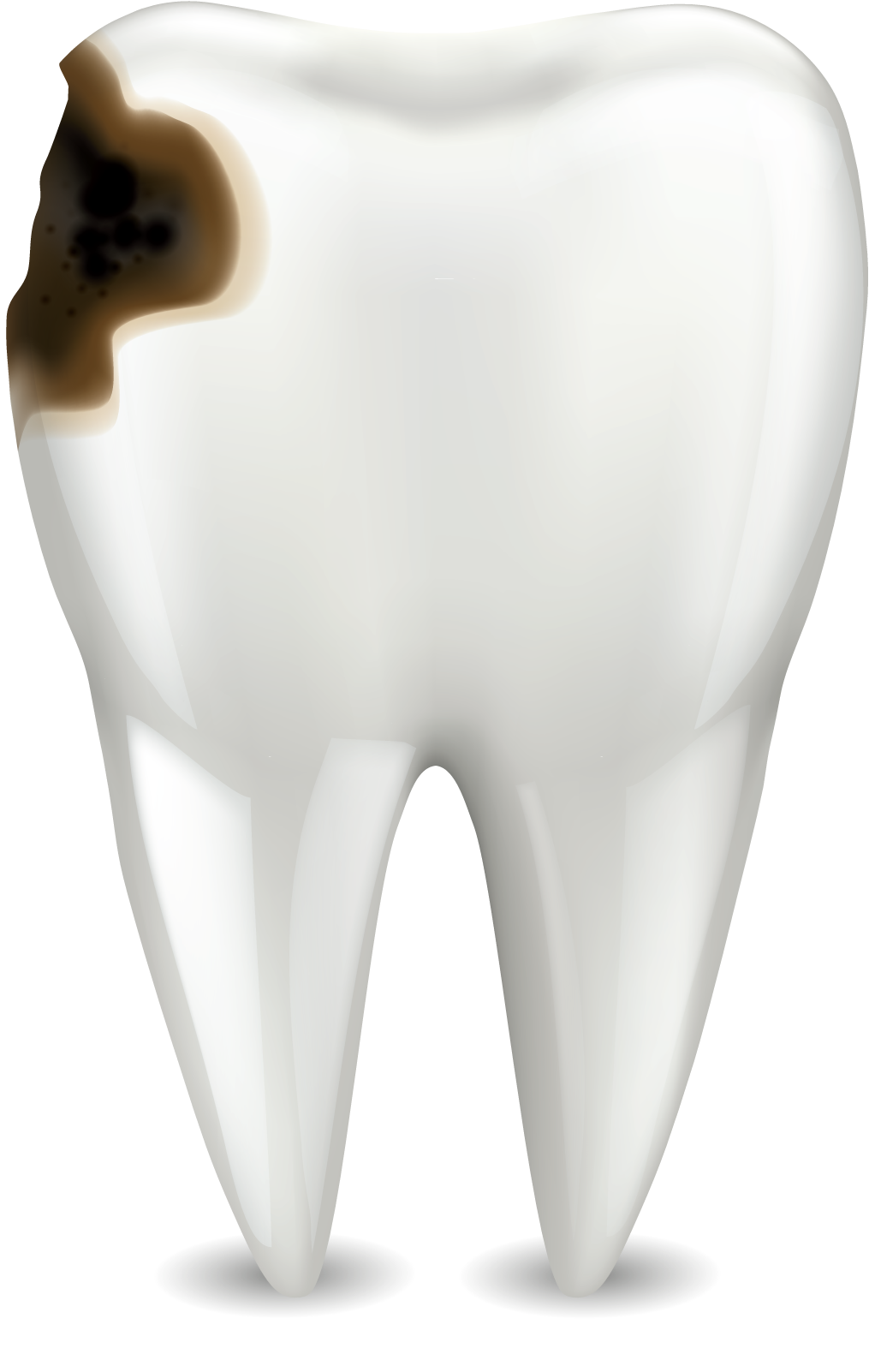
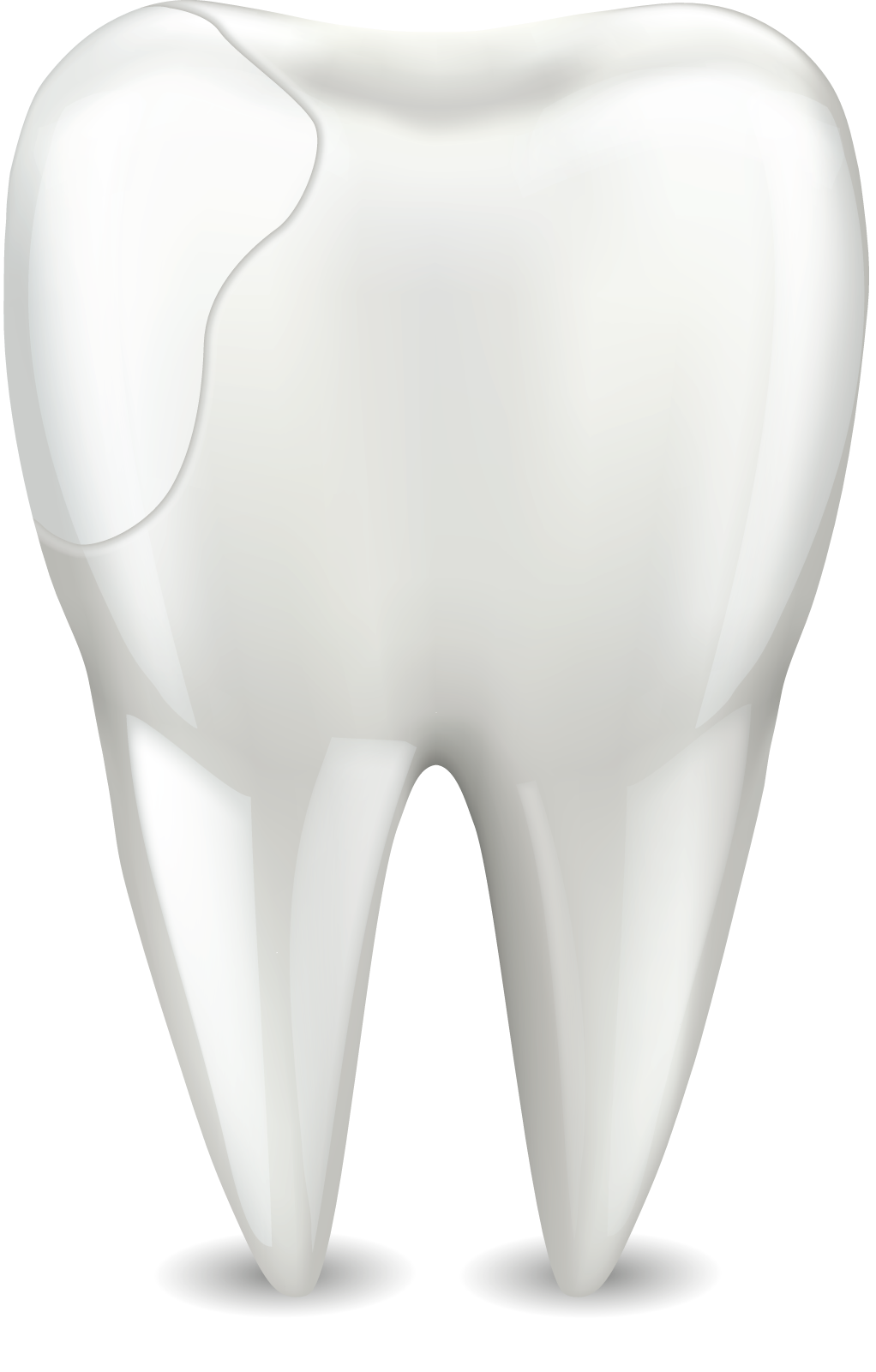
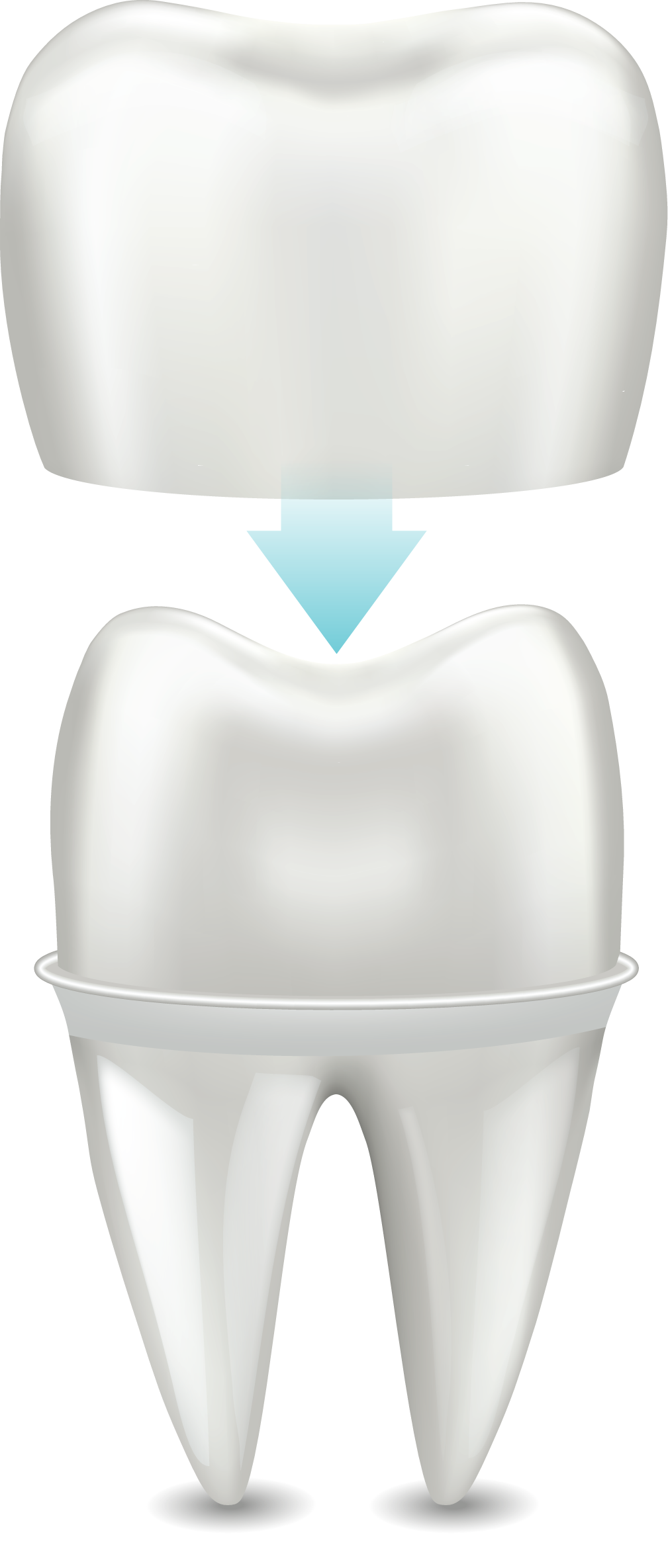
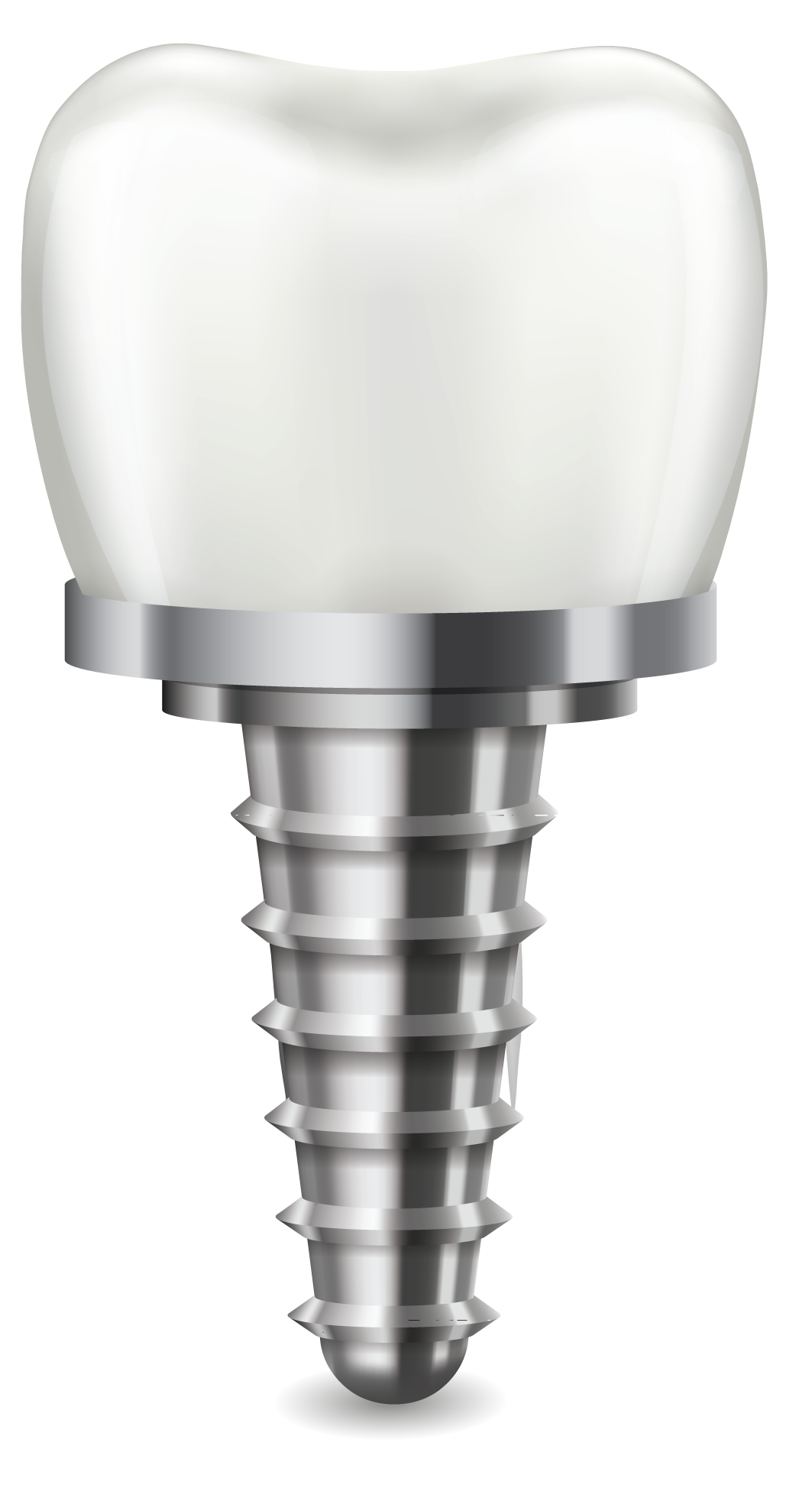
Tooth
with caries
Tooth
with filling
Tooth
with crown
Dental
implant
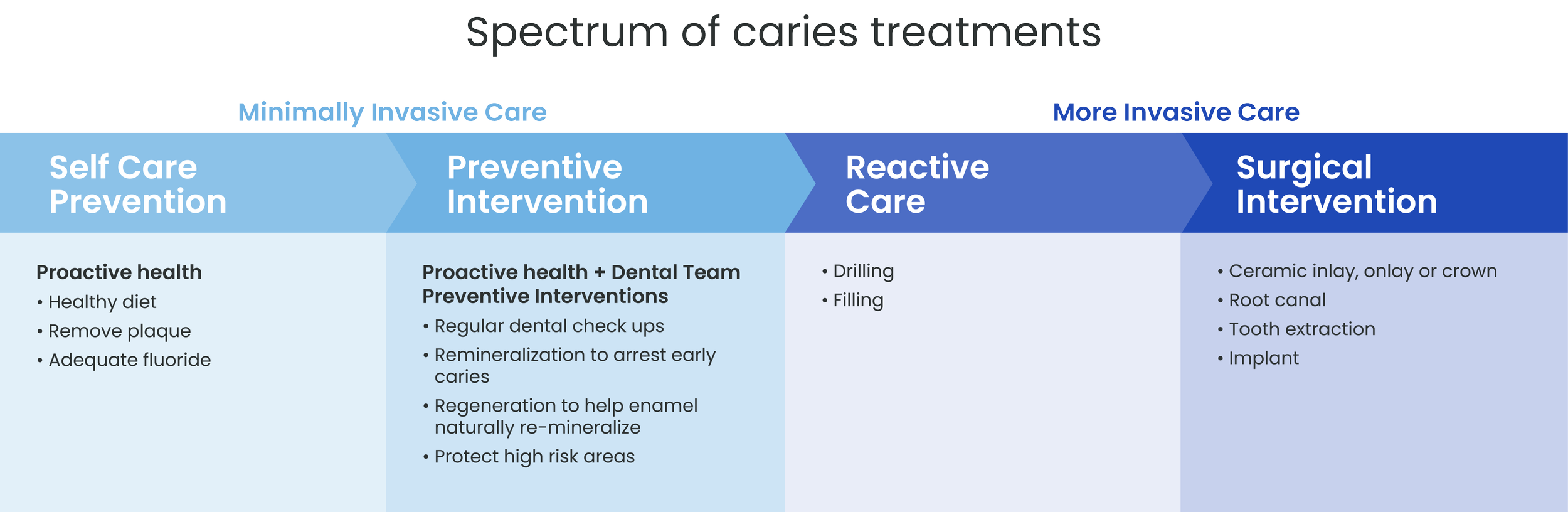
Earlier intervention is less invasive and painful
How is tooth decay managed?
Once disease is more advanced, the only way to stop this process is by using a drill to remove the infected area. The removed area is then replaced with a dental filling to provide structure back to the tooth. Sometimes the infected area that is removed is so large that more structure is needed to repair and a crown must be placed on the tooth.
In the most advanced stage of the disease, an abscess (build-up of pus) may form in or around the tooth. The infection can cause a fever, severe pain and swelling and often requires antibiotics and immediate treatment to prevent it from spreading in the body. If the tooth can be saved, it will require a root canal and crown. If the tooth can’t be replaced, then it will need to be extracted and replaced, usually with a dental implant.
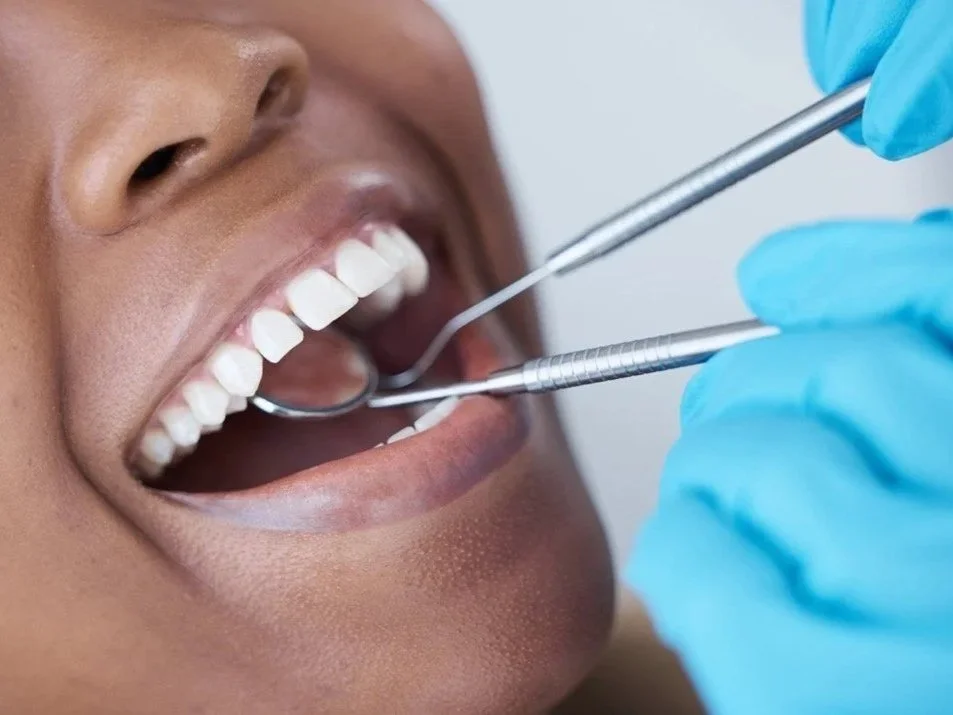
Finding earlier signs of tooth decay
How is the detection of disease changing?
Today new advancements in detection technology allow your dental provider to detect tooth decay earlier than ever before. When tooth decay is found earlier, it can be reversed rather than treated surgically (ie. fillings, root canals, extractions). No longer must you ‘wait’ and ‘watch’ early-stage tooth decay get worse before you do something about it.
By finding early signs of tooth decay (called caries lesions), your dental provider can recommend preventive approaches that can heal the tooth while the damage is still reversible. The body has incredible built-in healing mechanisms and new preventive treatments support the body to repair and re-build the tooth structure that has been lost (a process called remineralization).
The key to unlocking this, is finding the early warning signs that require treatment. That’s where BlueCheck comes in.
Oral Health Leaders recognize “for centuries dental approaches have focussed on surgical interventions.” However, the new era of dental health is being driven by an improved understanding of teeth and the cavity-forming process. Technologies that enable dental provider’s to see the early stages of disease allow treatments to be recommended that help remineralize and regenerate the enamel. No longer are we happy to ‘watch’ early stages develop into something requiring surgical intervention. Rather patient’s are choosing to be well, following steps to prevent the disease. We call this the ‘prevention revolution’.
It’s difficult to see early signs of tooth decay. BlueCheck makes it simple.
It’s important to detect tooth decay as early as possible so your dental provider can help maintain healthy enamel, before it becomes costly or painful to fix. Preventing the early signs of weakening of the tooth’s surface (enamel) can help to preserve healthy teeth across a lifetime.
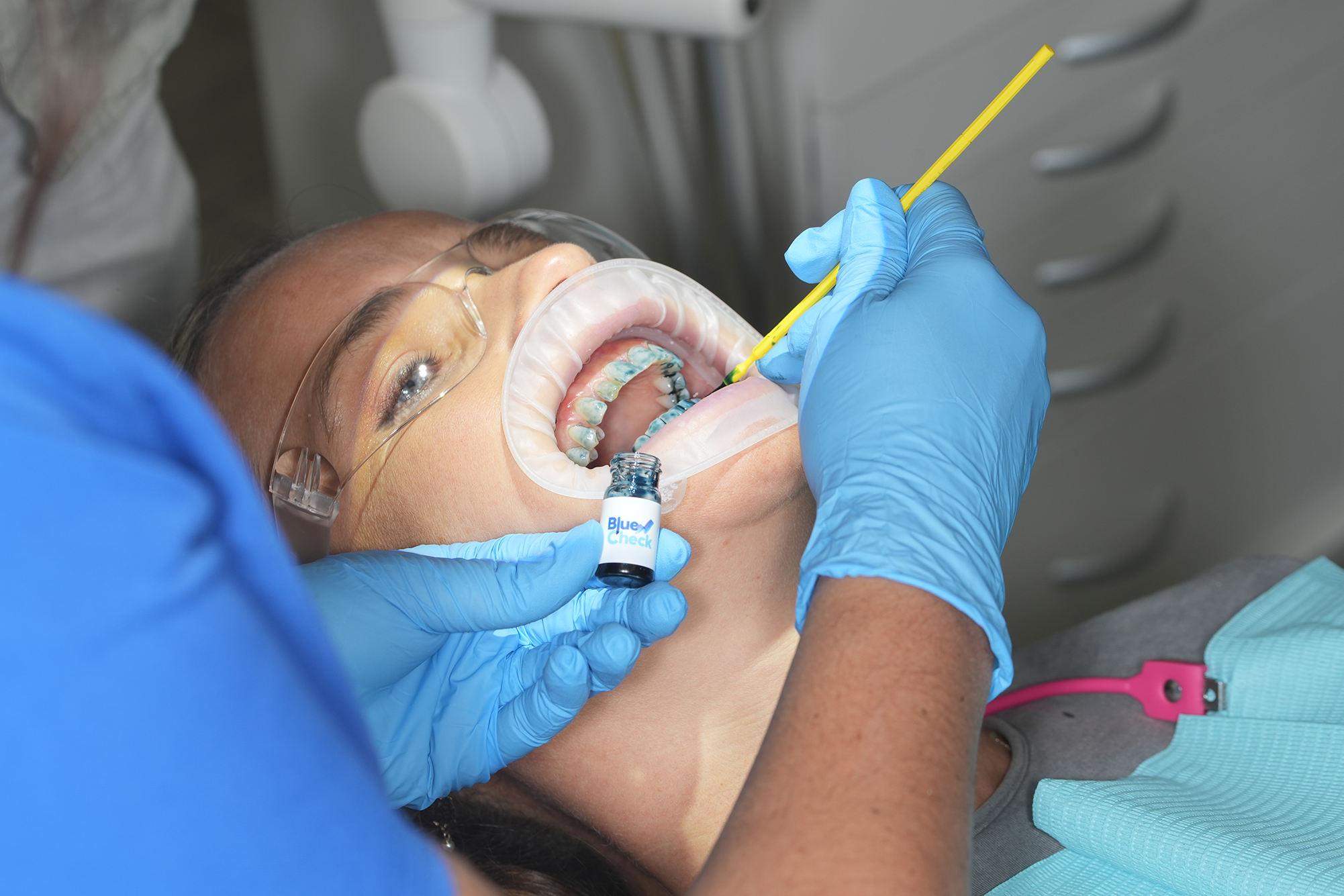
BlueCheck uses the latest technology,
to identify early stages of tooth disease:
A temporary blue color on teeth, shows areas where enamel is weak and helps identify and treat teeth.
Quick. Painless. Tasteless.
Easy to apply. Less than a few minutes.
Detect decay early, before it’s visible with x-rays or the naked eye.
Only detects active disease (does not show areas of healed decay), so you only treat what is needed and can monitor treatment success.
Allows you to see where hygiene improvements are needed.
How is BlueCheck used?
BlueCheck uses simple technology to find where tooth enamel is damaged.
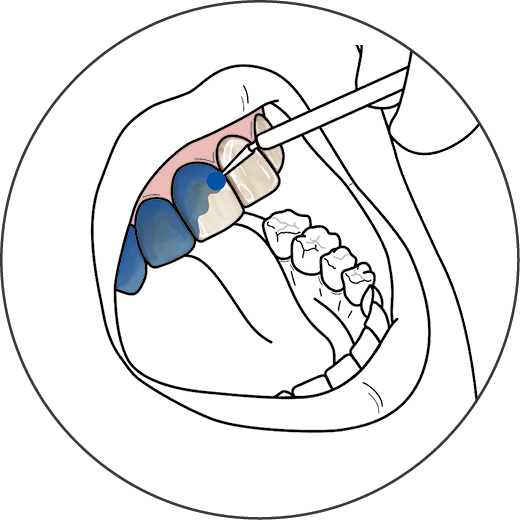
BlueCheck is a tasteless, blue liquid that is painted onto your teeth by your dental provider. It takes just a few minutes and does not require any special lighting or equipment.
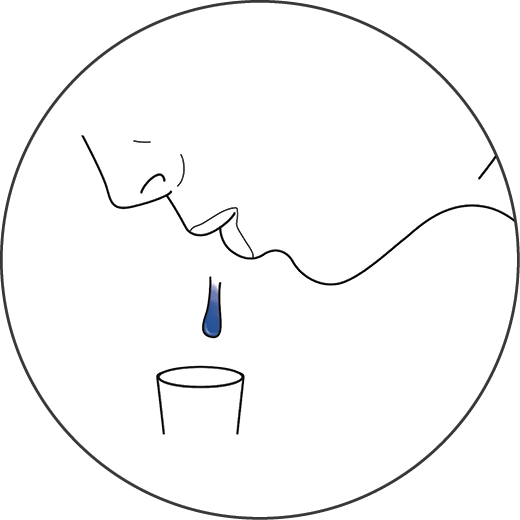
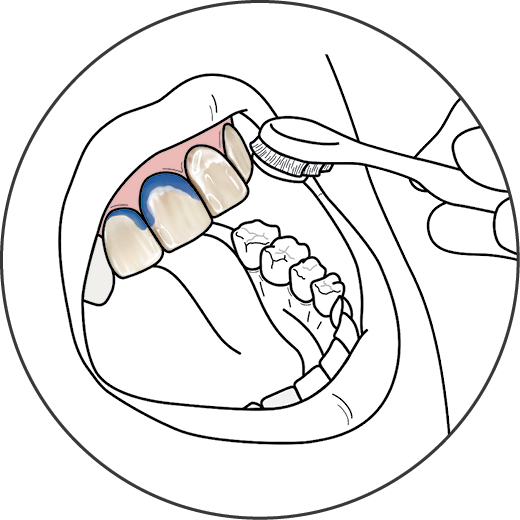
The dental provider will clean your teeth, apply BlueCheck to all your teeth and then rinse it off. Any blue color left behind on your teeth identifies where the tooth is weakened, highlighting signs of decay. It can be removed with brushing. It won’t permanently color your mouth or teeth, but sometimes you may see a faint blue color left behind that will disappear within a few hours, through contact with the saliva in your mouth.

Step 1: Apply
Step 2: Rinse

Step 3: Remove
How does BlueCheck work?
BlueCheck is an objective measure of disease
BlueCheck uses simple technology to find where the tooth enamel is damaged. The unique molecule in BlueCheck binds to the exposed areas of demineralized enamel where the enamel’s surface has been damaged. BlueCheck will only turn demineralized areas blue. Healthy enamel and areas where the enamel has healed (arrested) do not turn blue.
BlueCheck is a measure of the severity of the disease present. The darker the blue color, the more demineralization that has occurred.
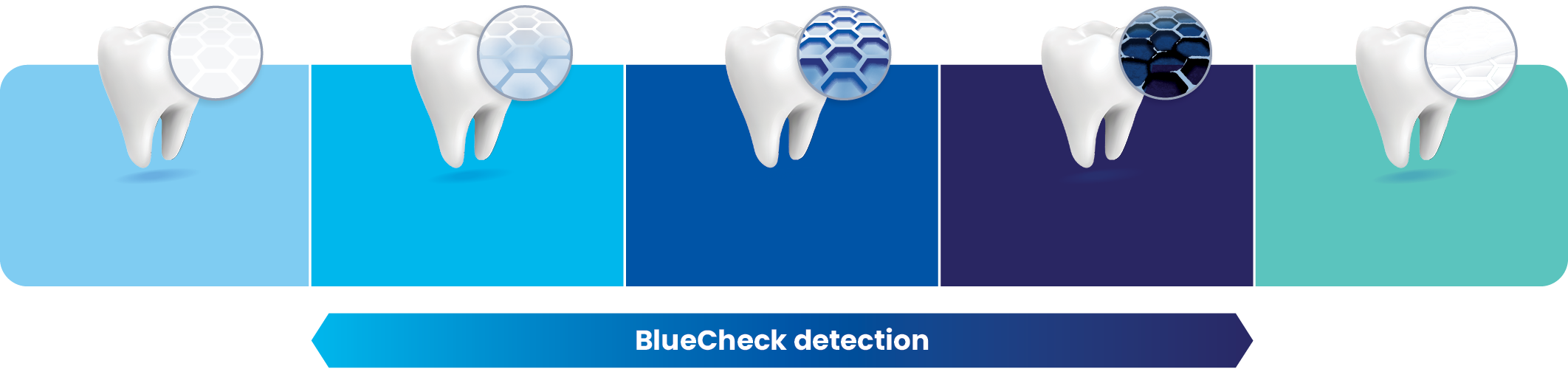
Healthy
Pre-visible lesion
White spot
Cavitation
Arrested caries lesion
How does BlueCheck help?
Helps you to see the early signs of tooth decay
There are many prevention options when disease is found early. Your dental provider will use this information to recommend the best approach to preserve healthy teeth over your lifetime.
Healthy Tooth
Pre-visible lesion
White spot lesion
Carious
enamel lesion
Cavity,
pulp decay
Cavity,
dentin decay
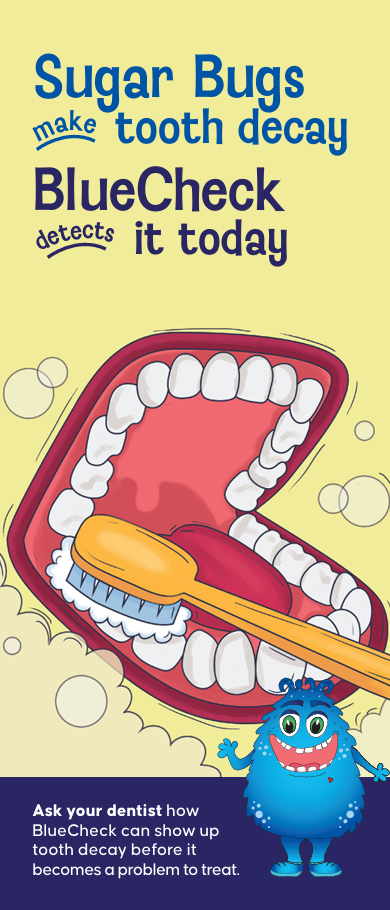
Paediatric patient flyer
Simple leaflet explaining how Sugar Bugs make tooth decay and how BlueCheck can help
Outlines stages of tooth decay using child friendly sugar bug concept
Explains how BlueCheck can show up tooth decay before it becomes a problem and allow treatment to occur before it’s too late

Tips for healthy mouth, teeth and gums

Limit tobacco and vaping
Clean between teeth
daily with floss or
an interdental aid

Drink fluoride containing water
Regular dental check-up
and hygiene visits
to aid cleaning
Chew sugar free gum

Eat a well balanced diet
and limit sugary foods
and drinks

Replace toothbrush or
brush head every 3 months
Good oral hygiene, good overall health
Oral health begins at home. There are many things you can do to maintain good oral health. The most important strategies include:
Reducing bad bacteria (in plaque) and the food it eats to produce acids that eat away the enamel
Introducing elements that help balance the mouth towards remineralization (such as fluoride and calcium)
Removing food and plaque stuck on and between teeth, reducing sugars in the diet that feed the bad bacteria and neutralizing the acidic environment are the foundations of good oral health.
Impacts beyond the mouth
Growing evidence connects a healthy mouth with a healthy body. Here are some examples showing why oral health is about much more than a smile:
High blood pressure
Diabetes
Obesity
Dementia
Respiratory health
Adverse birth outcomes
American Dental Association, Mouth Healthy: https://www.mouthhealthy.org/
American Dental Association, Home Oral Care: https://www.ada.org/resources/ada-library/oral-health-topics/home-care
CareQuest Institute for Oral Health, Impacts Beyond the Mouth: https://www.carequest.org/resource-library/impacts-beyond-mouth
Brush twice a day
(morning and before bed)
for two minutes with a fluoride containing toothpaste